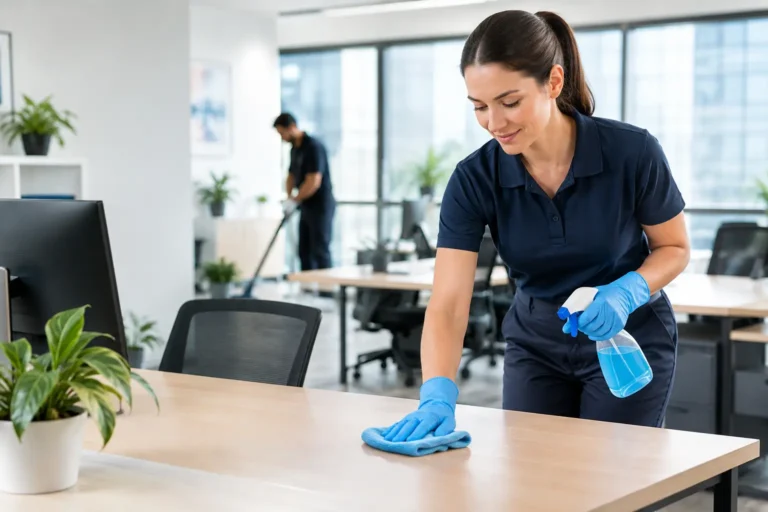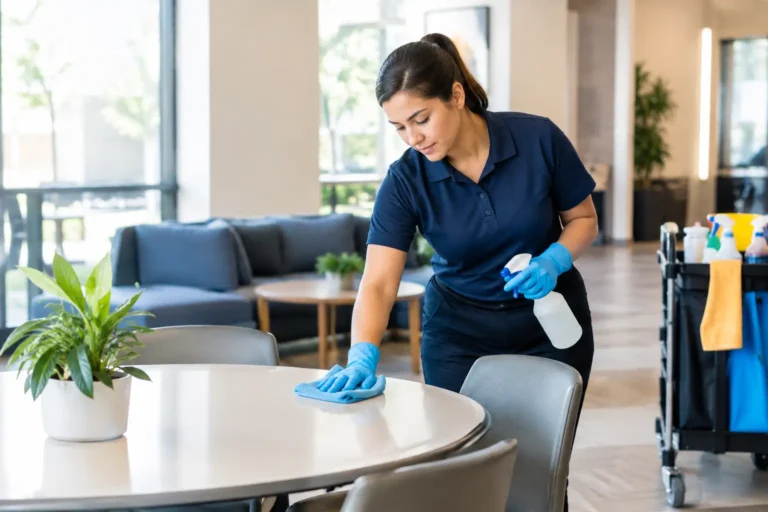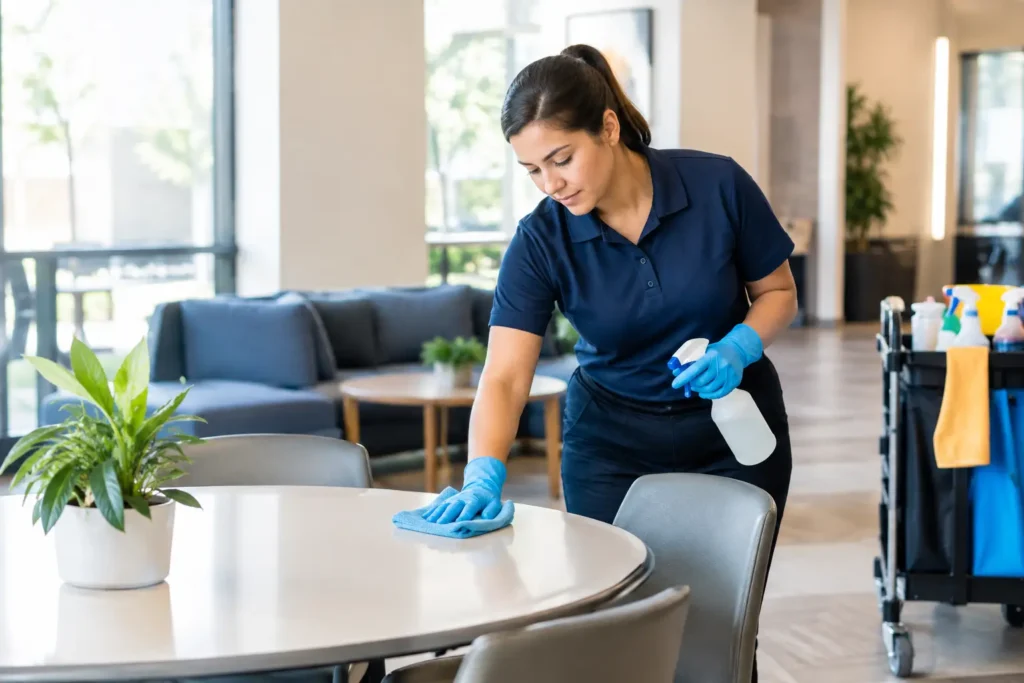
A dusty entryway, overflowing trash can, or smudged glass door can shape someone’s opinion of a property before they ever reach the front desk. This guide to common area cleaning is built for property managers, business owners, and community leaders who need shared spaces to look cared for, feel safe, and stay ready for the people who use them.
Common areas receive constant traffic, often from people who do not feel personally responsible for cleaning up after themselves. That makes a dependable routine more valuable than occasional touch-ups. The goal is not simply to make a space look clean for an hour. It is to maintain a sanitary, professional environment that supports residents, employees, customers, and guests throughout the day.
What Counts as a Common Area?
A common area is any shared space used by more than one person. In an office, that may include reception areas, break rooms, restrooms, hallways, conference rooms, and elevators. In an apartment or condominium community, it can include lobbies, mailrooms, laundry rooms, stairwells, clubhouses, fitness rooms, shared patios, and parking-area entry points.
Each area needs a different cleaning approach. A polished lobby may need daily attention to floors and glass, while a storage hallway may only need regular dusting and floor care. The right schedule depends on foot traffic, the type of business or property, weather conditions, and how visible the area is to visitors.
Start With a Cleaning Plan That Matches Traffic
The most effective common area cleaning plan is based on use, not guesswork. A busy medical office or multi-tenant building may need several touch-ups each day. A small professional office may be well served by nightly cleaning and a deeper weekly service.
Walk through the property at different times of day. Notice where fingerprints appear, where debris gathers, which trash cans fill quickly, and where floors show scuffs or tracked-in dirt. In Reno and Sparks, dry conditions, wind, and seasonal rain or snow can bring dust, grit, and moisture into entryways faster than many managers expect.
Create clear standards for what “clean” means in each space. For example, lobby floors should be free of visible debris and corners should not collect dust. Restrooms should be stocked, odor-free, and disinfected. Break-room counters should be free of spills, food residue, and clutter. Specific standards make it easier to maintain consistent quality and recognize when service needs to be adjusted.
Daily Common Area Cleaning Priorities
Daily service should focus on the surfaces and spaces people notice and touch most often. This protects the appearance of the property while reducing the spread of germs in high-use areas.
Entry doors, handles, elevator buttons, handrails, light switches, reception counters, shared tables, and restroom fixtures deserve regular disinfection. Use products appropriate for the surface and allow the required dwell time so disinfectants can work properly. Quickly wiping a surface and moving on may look productive, but it may not provide the level of sanitation the space needs.
Floors also need daily attention. Vacuum carpets and mats to remove dirt before it gets ground into fibers. Sweep hard surfaces and damp mop where needed, especially near entrances, break rooms, and restrooms. Wet floors should be clearly marked to help prevent slips and falls.
Trash removal is another simple task with an outsized effect. Empty waste and recycling before containers overflow, replace liners, and wipe down bins when spills occur. In shared kitchens and break rooms, food waste should not be left overnight. Odors travel quickly through common areas and can make an otherwise clean property feel neglected.
A Guide to Common Area Cleaning by Zone
Entrances, Lobbies, and Reception Areas
These spaces set the tone. Clean entry glass, remove fingerprints from doors, straighten furniture, and keep counters free of clutter. Mats should be vacuumed or shaken out regularly because they trap dirt before it reaches interior flooring.
Pay attention to corners, baseboards, and furniture legs. These are easy to overlook, yet dust buildup is especially visible in well-lit lobbies. For properties with hard flooring, periodic machine cleaning or polishing may be needed to keep the finish from looking dull or worn.
Hallways, Stairwells, and Elevators
These areas are often passed through quickly, which is exactly why cleaning problems can go unnoticed until they become obvious. Dust ledges, wipe handrails, clean elevator panels, remove cobwebs, and spot-clean marks on walls and doors.
Stairwells need dependable floor care because they collect grit and can become a safety concern. Clean up spills promptly, keep landings clear, and make sure lighting fixtures are free of dust and insects. If walls receive frequent scuffs from carts, strollers, or moving items, regular spot cleaning should be part of the routine.
Restrooms and Shared Kitchens
Restrooms and break rooms require closer attention than decorative common spaces. Restrooms should be cleaned and disinfected from high surfaces to low surfaces to avoid spreading soil. Refill soap, paper products, and sanitary supplies before they run out, not after someone complains.
In shared kitchens, focus on counters, sinks, faucets, appliance handles, tables, and microwave interiors. Encourage users to clean up after themselves, but do not depend on reminders alone. A professional cleaning schedule provides the consistent reset these spaces need.
Fitness Rooms, Laundry Areas, and Amenity Spaces
Equipment handles, touch screens, benches, and locker surfaces should be disinfected frequently. Mirrors need streak-free cleaning, and floors should be free of dust, hair, and loose debris. Laundry rooms need regular lint removal around machines, wiped surfaces, and close attention to any standing water or detergent spills.
Amenity spaces can vary widely. A clubhouse that hosts events may require service before and after bookings, while a small resident lounge may only need regular upkeep. The schedule should reflect actual use rather than treating every space the same.
Do Not Skip Periodic Deep Cleaning
Daily cleaning maintains appearance. Deep cleaning protects the condition of the property over time. Carpets, upholstery, grout lines, air vents, high ledges, interior windows, and baseboards all collect soil that routine service may not fully remove.
Plan deeper work monthly, quarterly, or seasonally depending on the property. High-traffic lobbies and office entrances may need more frequent carpet care. A lightly used community room may need less frequent service, but it should still be inspected before events and after busy periods.
This is also the time to address details that affect long-term presentation: hard-water buildup on fixtures, floor finish wear, stains on upholstery, and residue on glass. Post-renovation or post-construction cleaning may be necessary after repairs or tenant improvements, since fine dust can settle in places that normal cleaning will not reach.
Use Safe Products and Consistent Procedures
Eco-friendly cleaning does not mean compromising on results. The right products and methods can support a cleaner indoor environment while reducing harsh odors and unnecessary chemical exposure. This can be especially valuable in spaces used by children, pets, employees, residents, or people with sensitivities.
Still, product choice depends on the job. Disinfection requirements, floor type, food-contact surfaces, and manufacturer instructions all matter. Using the wrong product on natural stone, finished wood, or specialty flooring can cause expensive damage. A trained cleaning team knows when a gentle cleaner is appropriate and when a hospital-grade disinfectant is necessary.
Consistency matters just as much as supplies. Cleaning staff should follow the same order of operations, use clean cloths and mop heads, and avoid cross-contamination between restrooms, kitchens, and general areas. Reliable procedures help produce a spotless clean every time, rather than a result that varies from visit to visit.
Know When Professional Cleaning Is the Better Fit
In-house teams can handle light upkeep, but recurring professional service is often the more dependable option for larger properties, busy offices, and multi-unit communities. It gives managers a defined schedule, trained staff, proper equipment, and greater accountability when standards need to be met.
Cleaning Bee provides common area, office, deep-cleaning, and specialty cleaning support for properties across Northern Nevada. As a bonded and insured local team, we understand that cleaning crews are trusted in spaces used by your employees, tenants, and customers. That trust should come with dependable service, clear communication, and work that is done right.
A common area does not need to be extravagant to make a strong impression. It simply needs to be clean, safe, and consistently cared for. Set a schedule that fits the traffic, watch the details people notice first, and let a trustworthy cleaning team handle the dirty work when your property needs professional support.