If you have ever sprayed an all-natural cleaner on a greasy stovetop and wondered why it took more scrubbing than expected, you are asking the right question. Are eco friendly cleaners effective? The honest answer is yes – but not in every situation, not with every formula, and not with the same expectations people bring to harsher chemical products.
For homeowners, renters, and businesses across Northern Nevada, the real issue is not whether green cleaning works in theory. It is whether it can handle hard water residue, everyday bathroom buildup, kitchen grease, tracked-in dust, pet messes, and the kind of wear that comes with busy spaces. In many cases, eco-friendly cleaners absolutely can. The key is knowing what they do well, where they have limits, and how professional technique makes a major difference.
Are Eco Friendly Cleaners Effective for Everyday Cleaning?
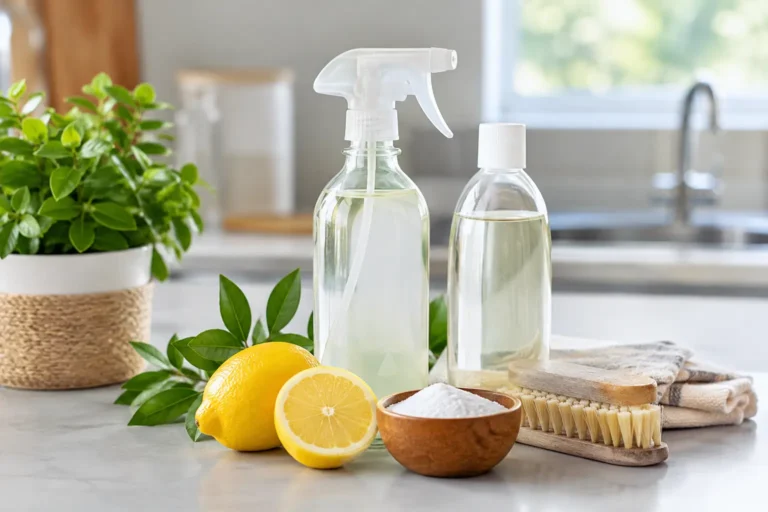
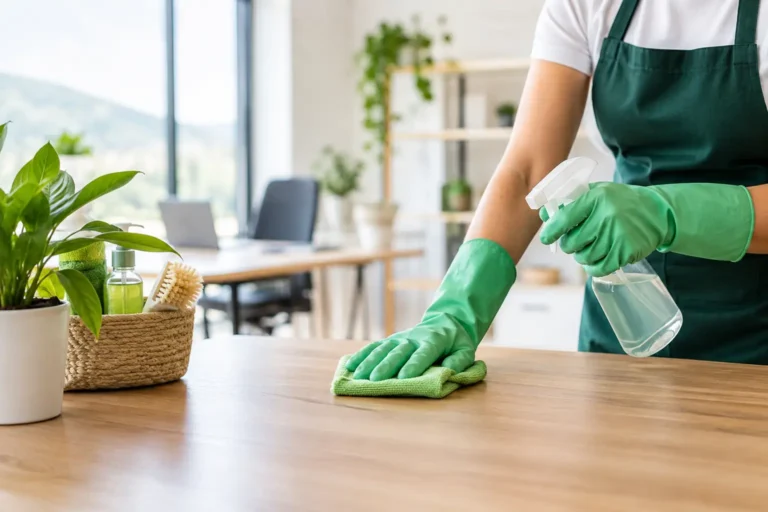
For routine cleaning, eco-friendly products are often more than effective enough. Counters, sinks, mirrors, sealed floors, exterior appliance surfaces, tables, desks, and general bathroom touch-ups usually respond well to plant-based or lower-toxicity formulas. When paired with the right tools, proper dwell time, and consistent upkeep, these products can leave a home or office looking fresh and feeling clean without heavy chemical residue.
That matters for families with kids, pet owners, and workplaces where people share common surfaces all day. A cleaner space should not come with strong lingering fumes or irritating residues on the surfaces people touch most. In a lived-in home or active office, that balance matters.
Where some people get disappointed is when they expect one eco-friendly spray to solve every cleaning problem instantly. That is not how cleaning works, whether the product is green or conventional. Soil type, buildup level, surface material, and how long the mess has been sitting all affect results.
What Eco-Friendly Cleaners Usually Do Well
Eco-friendly cleaners tend to perform best on fresh dirt, light grease, dust, fingerprints, water spots, and routine surface grime. They are also a strong fit for maintenance cleaning, which is what keeps homes and offices from reaching the point where buildup becomes difficult and time-consuming to remove.
This is why recurring service matters. A product that works well on weekly or biweekly buildup may struggle with months of soap scum, neglected baseboards, or post-renovation dust packed into every corner. The cleaner is only one part of the equation. Frequency and technique are just as important.
For many households, eco-friendly products are a practical choice because they support a healthier-feeling indoor environment while still delivering the clean people expect. In office settings, they can also help reduce the harsh chemical smell that employees and visitors often notice right away.
Where Eco-Friendly Cleaners Can Fall Short
The trade-off is straightforward. Some eco-friendly cleaners are less aggressive on heavy grease, mineral buildup, deep-set soap scum, and stains that have had time to bond to a surface. In Northern Nevada, hard water can be a real challenge, especially in bathrooms, kitchens, and glass surfaces. That type of residue often needs specialized products, stronger acidity, more dwell time, or repeated treatment.
The same goes for move-out cleaning, post-construction cleanup, and deep cleaning jobs that involve layers of dust, adhesive residue, or neglected buildup. In those cases, eco-friendly cleaners may still be part of the process, but product selection has to be more targeted. Sometimes the best result comes from combining safer cleaning practices with stronger specialty products where the job truly calls for them.
That does not mean eco-friendly cleaning is ineffective. It means realistic expectations matter. A gentle daily cleaner and a heavy-duty restoration product are not designed for the same job.
Why Results Depend on More Than the Product
A lot of people judge a cleaner by the label alone, but professional cleaning results come from several factors working together. Surface knowledge is one of the biggest. Natural stone, sealed wood, stainless steel, tile, laminate, and glass all respond differently to moisture, friction, and chemistry.
Application also matters. Spraying and wiping immediately is not always enough. Many products need time to break down soils before they are wiped away. Using the wrong cloth can leave streaks or simply push grime around instead of lifting it. Overusing product can create residue. Underusing it can make it seem weak.
Then there is consistency. A space cleaned regularly with the right methods will usually respond very well to eco-friendly products. A space that has been ignored for months may need a deeper reset first.
Are Eco Friendly Cleaners Effective for Disinfecting?
This is where people need to be careful with assumptions. Cleaning and disinfecting are not the same thing. A product may remove visible dirt and leave a surface looking spotless without being a true disinfectant.
For homes, that may be perfectly fine in many day-to-day situations. For certain commercial environments, shared workspaces, illness-related cleaning, and high-touch areas during cold and flu season, disinfection may need more attention. Some eco-conscious products are designed to disinfect, but not all are. The label, use instructions, and required contact time matter.
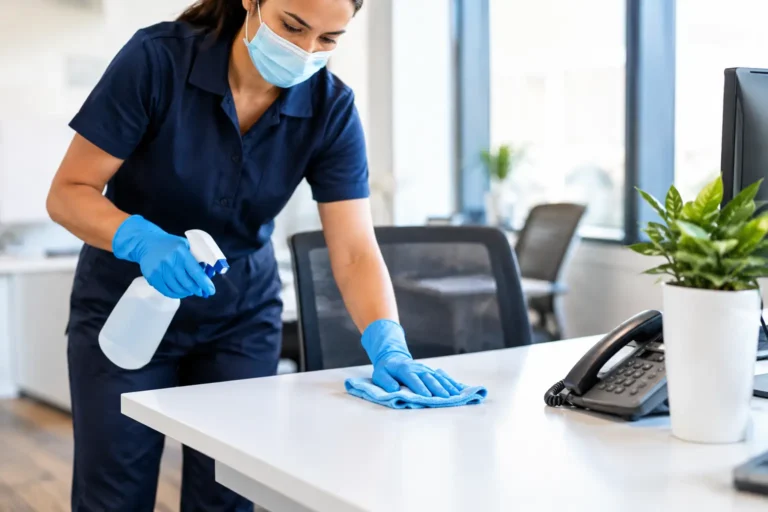
If your priority is reducing germs on high-touch points like door handles, restroom surfaces, break room counters, and shared desks, the right approach depends on the setting. A professional cleaner should know when a general eco-friendly cleaner is enough and when a disinfecting product is the better fit.
The Best Use for Eco-Friendly Cleaning
Eco-friendly cleaning shines when the goal is dependable, ongoing cleanliness with less chemical exposure and fewer harsh odors. That makes it especially appealing for occupied homes, family households, pet-friendly spaces, and offices that need to stay presentable without disrupting the people using them.
It is also a smart choice for clients who care about cleaning performance but do not want the space to smell overly perfumed or chemically treated afterward. Clean should feel fresh, not overwhelming.
That said, deep cleaning, move-in and move-out service, and post-renovation work often require a more flexible approach. The best service providers are honest about that. They do not treat eco-friendly cleaning like a slogan. They use it where it delivers strong results and adjust when conditions demand something more specialized.
How to Tell if a Green Cleaner Is Actually Working
The simplest test is not the bottle. It is the result. Surfaces should feel clean, not sticky. Glass should be clear, not smeared. Floors should look even, not filmy. Bathrooms should be free of visible soap scum and residue. Kitchens should not hold onto grease after wiping.
There is also a difference between a space that smells strongly fragranced and one that is truly clean. Strong scent can trick people into thinking a product worked harder than it did. In reality, a well-cleaned room often smells neutral or lightly fresh, not overpowering.
If you are hiring a cleaning company, ask practical questions. Do they adjust products based on surface type and soil level? Do they use eco-friendly methods as part of regular maintenance? Do they know when a tougher specialty product is necessary? That is how you separate dependable service from marketing language.
A professional team with experience can often get better results from eco-friendly products than a DIY cleaner can get from harsher ones. Technique, consistency, and attention to detail make a real difference. That is one reason many clients choose Cleaning Bee for recurring home cleaning, office cleaning, and specialty service. They want a trustworthy and secure team that delivers a spotless clean every time without guesswork.
So, Are Eco Friendly Cleaners Effective?
Yes, they are effective for a wide range of everyday cleaning tasks and regular maintenance. They can keep homes and businesses clean, fresh, and comfortable when used correctly and consistently. They are especially useful for families, pet owners, and workplaces that want a cleaner space without the harsh side effects people often associate with stronger chemicals.
But effectiveness depends on the mess, the surface, the product, and the person using it. Heavy buildup, hard water staining, post-construction dust, and deep grime may require more than a one-size-fits-all green spray. That is not a failure of eco-friendly cleaning. It is just the reality of matching the right method to the job.
If you want the benefits of eco-friendly cleaning without sacrificing results, the smart move is simple: keep spaces maintained, use the right products for the surface, and bring in experienced help when the job calls for more than a quick wipe-down. A cleaner home or workplace should make life easier, feel safer, and look professionally cared for – and with the right approach, eco-friendly cleaning can absolutely deliver that.