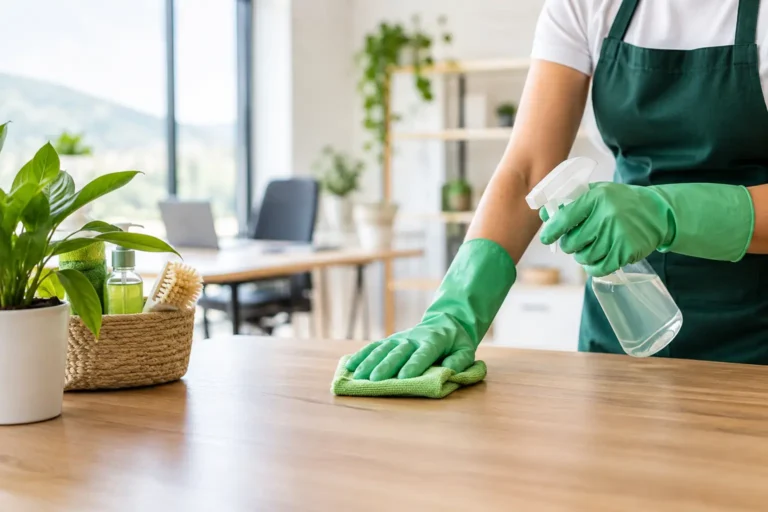
A kitchen counter can look spotless and still need more attention after raw chicken prep. The same is true for a shared office desk during cold and flu season, a bathroom after a stomach bug, or a rental between tenants. The best eco friendly disinfecting methods protect the people using a space without relying on unnecessary harsh chemicals, overpowering fragrances, or wasteful habits.
For homes and businesses in Reno, Sparks, and Northern Nevada, the right approach is practical: remove soil first, use a proven disinfectant when disinfection is actually needed, and follow the product label closely. Eco-friendly cleaning is not about making a surface smell strong. It is about using safer products and smarter processes to get a truly clean result.
Cleaning and Disinfecting Are Not the Same Job
Cleaning removes dirt, grease, food residue, dust, and many germs from a surface. Disinfecting uses a product designed to kill or inactivate specific germs after the surface has been cleaned. Both matter, but they are not interchangeable.
This distinction prevents a common mistake: spraying disinfectant onto a visibly dirty counter, wiping it off immediately, and assuming the work is done. Soil can keep the disinfectant from reaching germs effectively. Start by cleaning with a microfiber cloth, water, and an appropriate cleaner. Then disinfect high-risk areas when the situation calls for it.
Routine disinfection is most useful for high-touch surfaces and spaces where illness, food contamination, or heavy public use raises the risk. In a generally healthy household, cleaning regularly may be enough for many low-touch areas. During illness, after handling raw meat, or in a busy workplace, disinfecting deserves more attention.
What Makes a Disinfecting Method More Eco-Friendly?
No disinfectant is completely impact-free. The goal is to choose products that balance germ control with safer ingredients, responsible packaging, and correct use. A product can be marketed as green but still fail to disinfect if it has not been tested for that purpose.
Look for an EPA-registered disinfectant when you need to disinfect. Its label should clearly identify the germs it is effective against and provide directions for use on hard, nonporous surfaces. Some botanical and plant-derived disinfectants meet this standard, while others are simply cleaners with pleasant natural scents.
The most environmentally responsible choice also depends on how it is used. A concentrated product that is diluted accurately can create less packaging waste than a ready-to-use spray. Refillable bottles, fragrance-free options, and products without unnecessary dyes can be sensible choices, particularly for families with children, pets, allergies, or scent sensitivities.
Just as important, use only the amount needed. More product does not mean better disinfection. Overapplying chemicals wastes product, leaves residue, and can affect indoor air quality.
The Best Eco Friendly Disinfecting Methods for Everyday Spaces
Start with microfiber and targeted cleaning
Microfiber cloths are one of the simplest tools in an eco-conscious cleaning routine. Their fine fibers pick up dust, grime, and germs efficiently with less product than many disposable wipes or paper towels. Use clean, color-coded cloths for different areas, such as one color for bathrooms and another for kitchen surfaces, to avoid moving contamination from room to room.
Wash reusable cloths after use, especially after cleaning bathrooms, kitchens, or shared workspaces. Avoid using a cloth that is already heavily soiled. A clean tool is part of a clean result.
Use EPA-registered botanical disinfectants when appropriate
Botanical disinfectants can be a good fit for households and businesses that want a more ingredient-conscious option. Many use active ingredients derived from plants, such as thymol, but the important detail is not the marketing claim. It is whether the exact product is EPA registered and labeled as a disinfectant.
These products may work well on sealed counters, doorknobs, tables, bathroom fixtures, and other hard nonporous surfaces. Always check whether the product is approved for the material you are treating. Natural stone, unfinished wood, electronics, and certain painted surfaces may require a different method.
Use hydrogen peroxide-based disinfectants carefully
Hydrogen peroxide-based products are another practical option. At the proper concentration and with the right contact time, they can disinfect hard surfaces while breaking down into water and oxygen. They are often a solid choice for bathrooms, kitchens, and high-touch surfaces.
The trade-off is that peroxide can lighten fabrics and may affect some finishes. Test it in an inconspicuous area first, and never mix it with other cleaning chemicals. Keep all disinfectants stored securely and out of reach of children and pets.
Choose alcohol for small, compatible high-touch items
Alcohol-based products can be useful for certain small, hard surfaces, including some electronics and frequently touched objects. They evaporate quickly, which can be convenient, but rapid evaporation can also be a drawback if the product does not stay wet for the required contact time.
Check the manufacturer guidance for screens, keyboards, phones, and other equipment. A disinfectant that is effective on a counter may not be appropriate for delicate electronics or finished furniture.
Use heat and laundering for washable items
For towels, bedding, cleaning cloths, and other washable fabrics, laundering is often the most practical sanitation method. Wash items according to their care labels, dry them thoroughly, and avoid shaking heavily soiled linens before washing. This reduces the spread of particles through the air and around the room.
Steam can also be useful on certain sealed hard surfaces and fabrics, but it is not a universal replacement for an approved disinfectant. Steam requires proper temperature, enough exposure time, and a surface that can tolerate moisture and heat. It should not be used carelessly on wood, unsealed flooring, or materials that could warp.
Contact Time Is Where Results Are Won or Lost
A disinfectant needs to remain visibly wet on the surface for the full contact time listed on its label. Depending on the product, that may be one minute or several minutes. If it dries too soon, reapply enough product to keep the area wet for the required time.
This is why a quick spray-and-wipe routine may not deliver the result people expect. Read the instructions for dilution, surface compatibility, ventilation, rinsing requirements, and contact time. For food-contact surfaces such as cutting boards and prep counters, follow label directions about rinsing after disinfection.
Never mix products to create a stronger cleaner. Combining bleach with ammonia, acids, vinegar, or other cleaners can produce dangerous fumes. Even eco-friendly products should be used one at a time and exactly as directed.
Common DIY Options That Do Not Reliably Disinfect
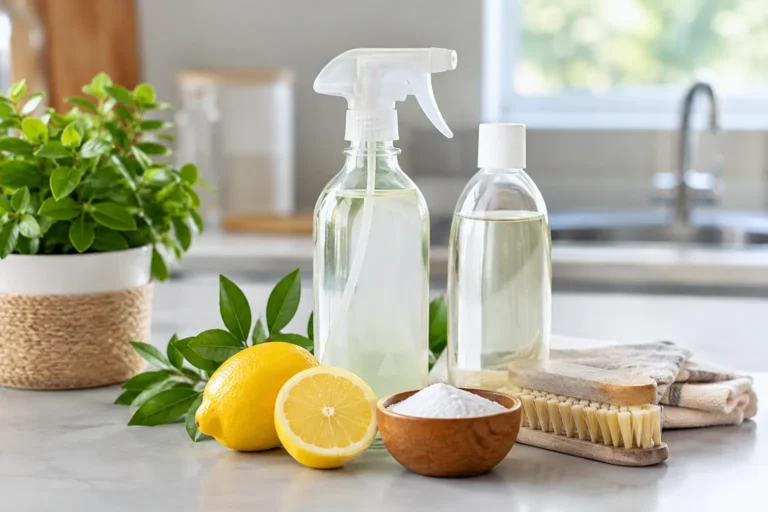
Vinegar, baking soda, lemon juice, and essential oils have useful roles in everyday cleaning. Vinegar can help with mineral buildup, baking soda can assist with scrubbing, and some essential oils can add fragrance. But these ingredients are not dependable disinfectants for illness-related cleanup, raw-food contamination, or commercial sanitation needs.
That does not mean they have no place in a lower-waste home. Use them for the jobs they do well, such as deodorizing, light cleaning, and removing certain residues. When germs are the concern, choose a product specifically labeled to disinfect.
A Practical Routine for Homes and Workplaces
For most households, regular cleaning of kitchens, bathrooms, entry points, and high-touch surfaces is the foundation. Increase disinfection after someone has been sick, when caring for an infant or an immune-compromised family member, or after events that create higher contamination risk.
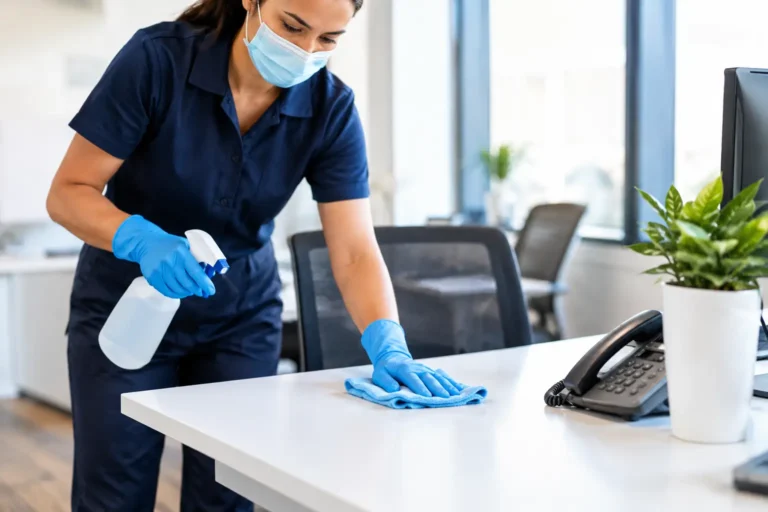
In offices, rental properties, and shared facilities, focus on door handles, light switches, restroom fixtures, break room tables, shared equipment, and reception areas. Frequency should match traffic and use. A quiet private office needs a different schedule than a busy customer-facing workplace.
A professional cleaning team can make this easier by using a consistent process, clean tools, and products selected for the surfaces in your space. Cleaning Bee brings dependable, eco-conscious cleaning practices to homes and businesses throughout Northern Nevada, so clients can spend less time managing chores and more time enjoying a clean, comfortable space.
The best method is the one that fits the real risk, protects the materials in your home or workplace, and is used correctly every time. Clean first, disinfect with purpose, and let smart routines do the dirty work before small messes become bigger concerns.