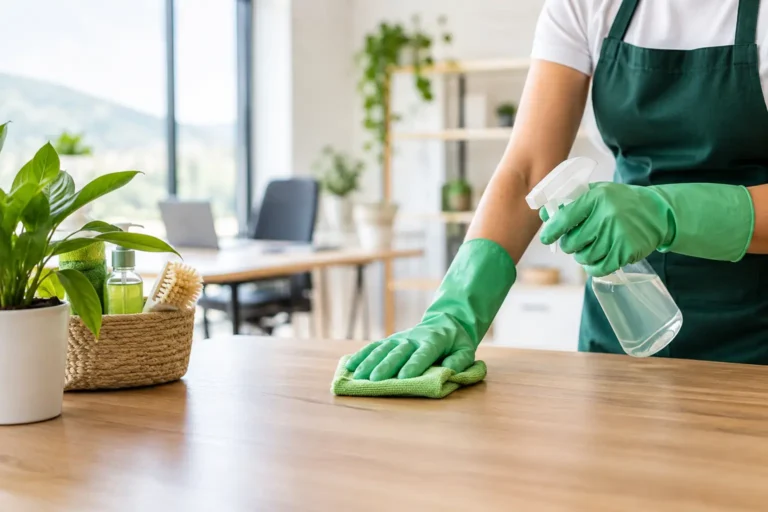
If you wake up congested, start sneezing the minute the heat or AC kicks on, or notice itchy eyes after straightening up, the issue may not be the mess you can see. Allergy friendly house cleaning focuses on the particles you cannot – dust mites, pet dander, pollen, mold spores, and leftover residue from harsh products. A home can look tidy and still hold plenty of irritants.
That is why cleaning for allergies needs a different approach than basic surface wiping. The goal is not just to make a room look better for a day. It is to reduce what keeps circulating through the air and settling back onto floors, furniture, bedding, and vents.
What allergy friendly house cleaning actually means
A lot of people assume allergy-safe cleaning means using scented “green” sprays and calling it done. In reality, fragrance can be one of the problems. True allergy friendly house cleaning is about lowering exposure to common triggers while avoiding products and methods that add new irritation.
That usually means removing dust instead of spreading it around, using cleaning products with fewer harsh additives, and paying close attention to fabrics and overlooked buildup points. It also means knowing that every home is a little different. A house with two dogs, wall-to-wall carpet, and kids coming in from soccer practice will need a different cleaning rhythm than a quiet condo with hard flooring and no pets.
For many households in Reno, Sparks, and nearby Northern Nevada communities, dry conditions and wind can make the problem worse. Dust and pollen do not stay outside for long. They come in through doors, windows, shoes, jackets, and pets, then settle into the places most people clean too lightly or too late.
The biggest allergy triggers hiding in your home
Dust is usually the first suspect, but it is rarely the only one. Dust mites thrive in bedding, upholstery, rugs, and curtains. Pet dander clings to soft surfaces and moves easily from room to room. Pollen settles on entryways, windowsills, and floors. Bathrooms, laundry areas, and under-sink spaces can hold moisture that encourages mold.
Then there is cleaning residue. Strong sprays, artificial fragrances, and heavily perfumed air fresheners may make a home smell “clean,” but they can also leave behind irritants that bother sensitive adults, children, and pets.
The trade-off here is simple. Products that smell powerful often create the impression that more cleaning happened. In practice, gentler, well-chosen products paired with thorough dust and debris removal tend to do more for allergy control than a cabinet full of heavy chemical cleaners.
Where to focus first for better results
When allergies are part of the picture, some areas matter more than others. Bedrooms should be near the top of the list because that is where you spend hours breathing in the same air. Bedding, mattresses, pillows, nightstands, and under-bed dust all deserve consistent attention.
Floors are another major priority. Carpet can trap allergens, but hard floors are not automatically problem-free. Dust settles there fast, especially along baseboards, corners, and under furniture. If those areas are skipped, everyday foot traffic stirs particles right back up.
Bathrooms and kitchens deserve a close look too. In these rooms, the concern is often less about dust and more about moisture, buildup, and hidden grime around sinks, tile, grout, and vents. If a room stays damp, it can become part of the allergy problem even when it appears clean on the surface.
The right cleaning methods matter as much as the products
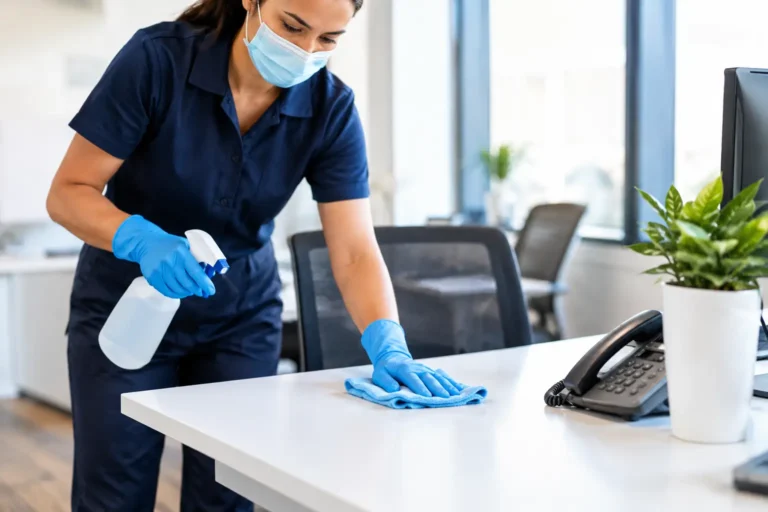
One of the most common mistakes is dry dusting with a feather duster or dry cloth. That tends to send particles into the air instead of removing them. Damp microfiber cloths do a better job of capturing dust so it can be taken out of the room instead of relocated.
Vacuuming helps, but only if the machine is doing real containment. A vacuum without strong filtration can blow fine particles back into the air. That is especially frustrating for families who feel worse right after cleaning. Technique matters too. Quick passes through the middle of the room will not do much for edges, rugs, upholstered furniture, and under-bed buildup.
Mopping should also be done with clean water and a residue-conscious solution. Too much product can leave a film that attracts dirt or irritates sensitive skin and airways. More is not always better.
How often should you clean for allergies?
It depends on the home, but consistency usually beats occasional marathon cleaning. If allergens build up for weeks and then everything gets scrubbed at once, symptoms can spike during and after the process. A steady routine tends to keep the load lower.
Bedrooms, floors, bathrooms, and high-touch surfaces often need weekly attention. Bedding may need washing even more often during peak allergy seasons or in homes with pets. Homes near busy roads, open land, or construction may collect dust faster than expected.
This is where recurring service can make a real difference. A dependable cleaning schedule does more than save time. It helps prevent allergen buildup before it becomes overwhelming. For busy families, property managers, and working professionals, that kind of consistency is often the difference between a home that looks fine and one that actually feels easier to live in.
Choosing allergy-conscious cleaning products
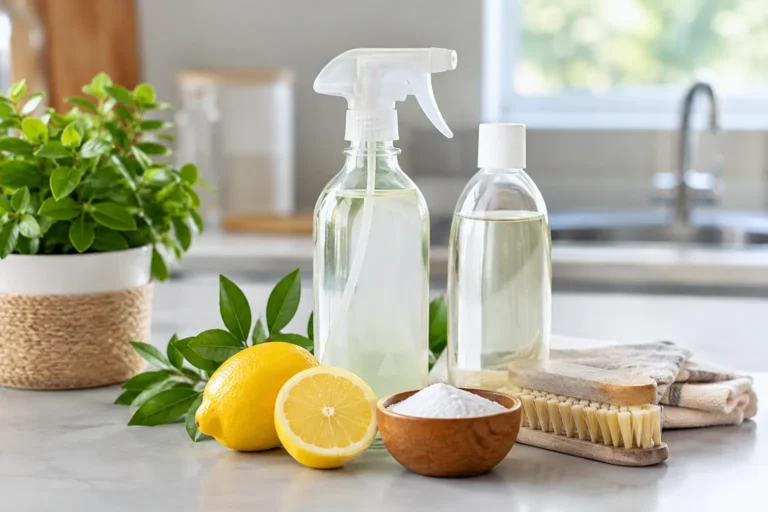
The safest choice is not always the product with the loudest label. Look for cleaners that are effective without heavy fragrance, unnecessary dyes, or overpowering fumes. Eco-friendly options can be a strong fit, but the label alone is not enough. What matters is how the product performs in real use and whether it leaves behind residue or strong odor.
Some households need extra caution. If someone has asthma, chemical sensitivity, eczema, or very strong seasonal allergies, even a mild product may need testing in a small area first. The same goes for homes with infants, older adults, or pets that spend a lot of time on the floor.
A practical cleaning plan should support health without sacrificing results. That balance matters. A product needs to clean thoroughly, but it should not create a second problem while doing it.
Why professional cleaning can help allergy-prone homes
A professional cleaner does not magically remove every allergen, and no honest company should promise that. But a trained team can make a noticeable difference by cleaning more thoroughly, more consistently, and with methods designed to reduce buildup instead of spreading it around.
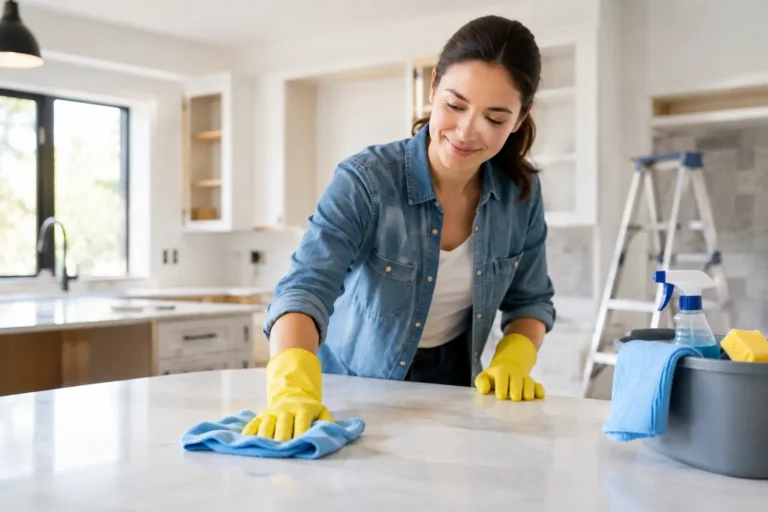
That matters most in homes where people are short on time, dealing with pets, managing kids, recovering from renovation dust, or simply struggling to stay ahead of the problem. Deep cleaning can help reset the space. Recurring service helps keep it there.
For households that want a spotless clean every time without the trial and error, working with a dependable local company can also remove a lot of stress. Cleaning Bee serves homeowners and businesses across Northern Nevada with practical, eco-friendly cleaning support designed to make spaces cleaner, healthier, and easier to manage.
What to ask if you are hiring help
If allergies are a concern, it is worth asking a few direct questions before booking. Ask what products are used, whether fragrance-free or lower-residue options are available, and how dusting and vacuuming are handled. Ask whether the team can focus on bedrooms, upholstery, baseboards, vents, and other allergen-heavy areas.
It is also smart to be specific about the home. Mention pets, recent construction, seasonal pollen issues, or anyone in the household with asthma or sensitivities. The more clearly the need is explained, the easier it is to build a cleaning plan that fits.
A good cleaning service should welcome that conversation. Reliable service is not just about showing up. It is about listening, adjusting, and doing the work thoroughly enough that you can feel the difference.
Small habits that support a cleaner, lower-allergen home
Professional cleaning does a lot, but daily habits still matter. Leaving shoes at the door, washing bedding regularly, cleaning pet areas often, and replacing HVAC filters on schedule can all help. Keeping clutter under control matters too, because the more surfaces collect forgotten items, the more places dust has to settle.
Windows are another it-depends issue. Fresh air can help in some situations, but during high pollen days, open windows may bring in exactly what you are trying to keep out. If outdoor counts are high, it may be better to keep windows closed and focus on filtration and indoor cleaning instead.
A cleaner home should do more than look good when guests stop by. It should feel comfortable when you wake up, when your kids play on the floor, and when you finally sit down at the end of the day. Allergy friendly house cleaning is not about perfection. It is about making your home easier to breathe in, easier to maintain, and easier to enjoy.