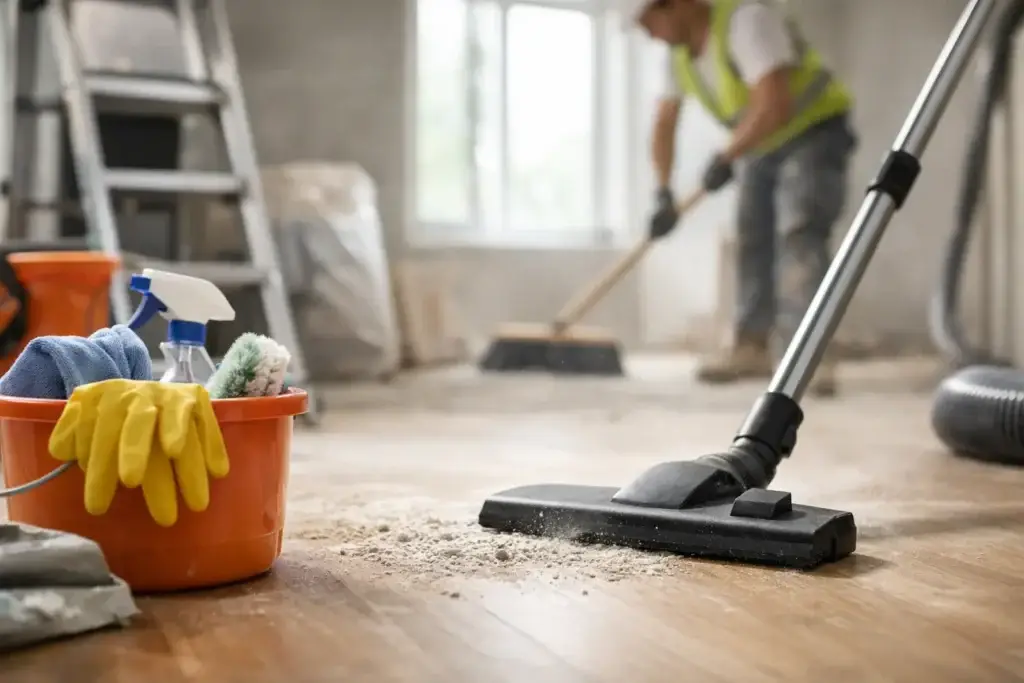
The work looks finished, but the room still feels gritty. You wipe one shelf, and a fine layer of dust settles right back down. That is usually the moment people realize how to clean construction dust is very different from normal house cleaning.
Post-construction dust gets into everything. It clings to baseboards, hides in vents, settles inside cabinets, and keeps circulating through the air long after the contractors leave. If you rush the cleanup or use the wrong tools, you can spread it deeper into the home or scratch finished surfaces. A better approach is slow, methodical, and designed to trap dust instead of moving it around.
How to clean construction dust without spreading it
The biggest mistake is starting with a dry rag or a household broom. That usually sends fine particles back into the air, where they settle again on freshly cleaned areas. Construction dust is lighter and more stubborn than everyday dirt, especially after drywall, sanding, tile work, or cutting materials indoors.
Start by improving airflow carefully. If weather allows, open windows in the work area, but do not create a strong cross-breeze that blows dust into other rooms. Turn off your HVAC system before you begin if dust may be sitting in vents or returns. If the system runs during cleanup, it can recirculate particles through the property.
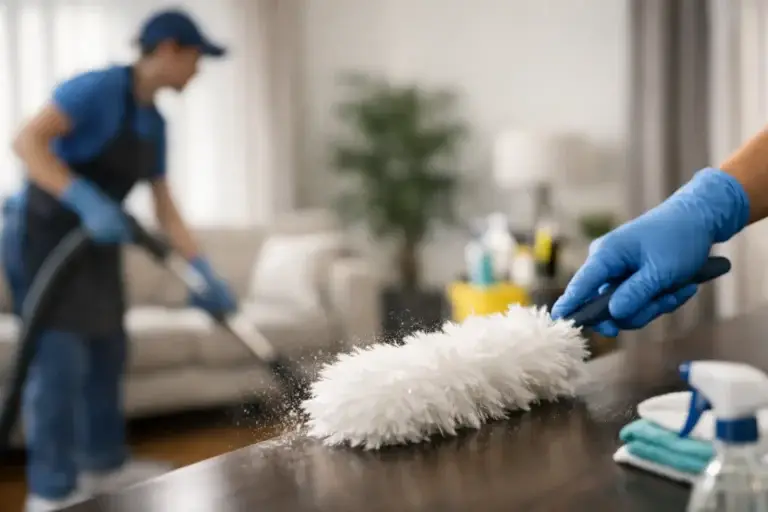
Before you touch surfaces, gather the right tools. A vacuum with a HEPA filter matters here. Standard vacuums can blow fine dust back into the air. Microfiber cloths are a better choice than cotton rags because they hold dust instead of just pushing it. For floors, use a damp microfiber mop rather than a dry broom. You may also want gloves and a mask, especially if the dust is heavy.
Containment helps more than people expect. If only one part of the home was renovated, keep doors closed to unaffected rooms. If a doorway is open, temporary plastic sheeting can reduce migration while you work. This is especially useful in occupied homes, offices, and multi-room remodels.
Work from top to bottom
When deciding how to clean construction dust, order matters. If you clean the floor first and then dust ceiling fans, shelves, and trim, you will end up doing the floor again. The fastest way to get lasting results is to clean high surfaces first, then move steadily downward.
Start with ceilings, light fixtures, vents, upper trim, and the tops of doors. Use a HEPA vacuum with a brush attachment if the surface allows it. In many cases, vacuuming first is gentler and more effective than wiping. After that, use a slightly damp microfiber cloth to remove any remaining residue.
Move next to walls, window frames, blinds, shelves, and countertops. Pay extra attention to ledges, textured trim, and corners where dust collects. If the renovation included drywall sanding, expect buildup on vertical surfaces too. A light damp wipe usually works well, but test delicate paint finishes before applying moisture.
Then clean lower trim, baseboards, and furniture surfaces. After those are done, finish with the floors. This sequence keeps loosened dust from undoing the work you have already completed.
Floors need a different approach depending on the material
Hard floors are often the last place people clean, but they usually show the problem first. Dust gets tracked into grout lines, floor seams, and corners, and one pass is rarely enough.
For hardwood, engineered wood, laminate, or luxury vinyl, vacuum first with a soft floor attachment. Then follow with a lightly damp microfiber mop. Too much water can damage some flooring types, so keep the mop just damp enough to capture residue. You may need to rinse and change pads often during the first pass.
For tile, dust often settles into grout and along edges. Vacuum thoroughly before mopping so you do not create muddy streaks. In heavier post-renovation jobs, a second mop pass is common.
Carpet is trickier because dust sinks below the surface. Vacuum slowly with a HEPA-equipped machine and go over each area more than once from different directions. If the dust is heavy or the project involved drywall or demolition, professional carpet cleaning may be worth it. Fine particles can stay embedded even after repeated vacuuming.
Don’t skip vents, filters, and hidden surfaces
One reason construction dust seems to come back overnight is that it often remains in the places people do not see. HVAC vents, returns, filters, closet shelves, and the inside of cabinets can all hold a surprising amount of residue.
Remove vent covers if you can do so safely and vacuum them carefully. Wipe the surrounding area and replace the HVAC filter after cleaning, not before. Otherwise, the new filter starts collecting dust while the job is still underway. If the dust load was severe, especially after major remodeling, duct cleaning may also make sense. It depends on the scope of the work and whether dust visibly entered the system.
Kitchen and bathroom cabinets deserve special attention after renovation. Even if the doors were closed, fine particles often work their way inside. Vacuum creases and corners first, then wipe shelves and drawer interiors with a damp microfiber cloth.
Do the same for closets, window tracks, and utility room shelving. These are common dust traps and easy to overlook when you are focused on the main room.
Use gentle products on finished surfaces
Construction cleanup is not about using the strongest chemical you can find. In many homes and offices, the issue is removal, not disinfection. Harsh products can damage fresh paint, sealed wood, stone, or new fixtures.
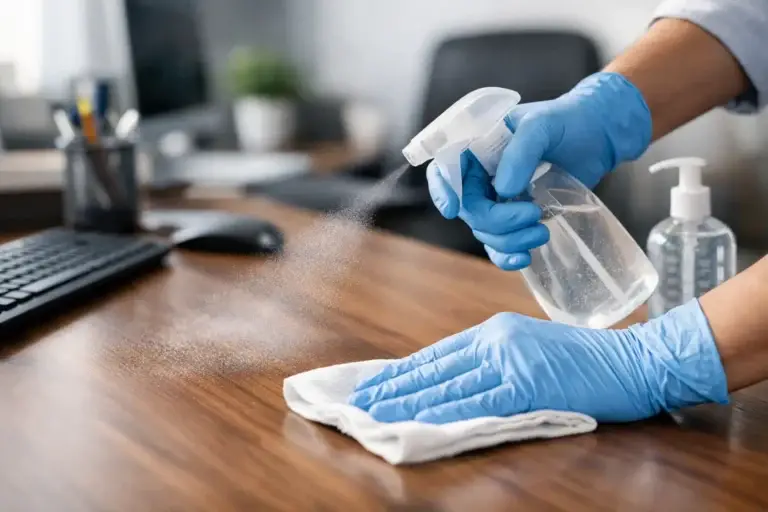
For most surfaces, a mild cleaner and damp microfiber cloth are enough after vacuuming. Glass may need a separate pass because renovation dust tends to leave a film. Use a glass-safe cleaner and clean, lint-free cloths to avoid streaks. On stainless steel and specialty finishes, always follow the manufacturer’s care guidance when possible.
There is also a timing issue. Newly finished surfaces may still be curing. Paint, caulk, grout haze treatments, and certain sealants can be sensitive right after installation. If you are unsure, use the least aggressive method first.
When DIY cleaning is enough and when it is not
A small repair or a one-room refresh is often manageable with patience and the right equipment. If the work was limited, there was no major sanding, and dust stayed contained, many homeowners and renters can handle the cleanup on their own.
The equation changes with larger remodels, commercial build-outs, occupied offices, and properties that need to be move-in ready quickly. Multi-room projects create more dust than people expect, and the labor adds up fast. So does the detail work. Vents, blinds, trim, interior glass, cabinet interiors, and floor edges all take time if you want a truly spotless clean every time.
There is also the question of air quality and surface protection. Using the wrong vacuum or dragging debris across a new floor can create more problems than it solves. For homes with children, pets, allergies, or tight move-in timelines, professional post-construction cleaning often saves both time and frustration.
That is where an experienced local team can make a real difference. Cleaning Bee helps homeowners, renters, property managers, and businesses across Reno, Sparks, and Northern Nevada clear out post-renovation dust thoroughly and safely, so the space feels finished, not just built.
A simple checklist for how to clean construction dust well
If you want the shortest version of the process, think in this order: contain the area, turn off HVAC if needed, HEPA vacuum high surfaces, wipe surfaces top to bottom, clean inside cabinets and vents, then finish floors last. Replace filters after the dust has been removed, and expect to do more than one pass if the project was substantial.
That last point matters. Sometimes the first cleaning removes what is visible, and the second cleaning removes what settled afterward. That does not mean you did it wrong. It means construction dust is persistent.
A clean renovation should feel complete when you walk in. The air should feel lighter, surfaces should feel smooth, and you should not see residue on your shoes, your countertops, or the next cloth you pick up. If getting there feels bigger than a weekend project, it is okay to let professionals handle the dirty work so you can enjoy the finished space.