You finish the renovation, step back to admire the new space, and then the dust shows up everywhere. It settles on baseboards, sneaks into vents, coats light fixtures, and keeps reappearing on surfaces you already cleaned. Dust removal after renovation is rarely a one-pass job, especially when drywall dust, sawdust, and fine debris have moved through the entire home or workspace.
That is the part many property owners in Reno, Sparks, and surrounding areas underestimate. Post-renovation dust is finer, more stubborn, and more mobile than ordinary household dust. If the job is handled too quickly or with the wrong tools, it can keep circulating for days or even weeks. A cleaner, healthier result comes from using the right sequence, the right equipment, and enough patience to get the dust out instead of just moving it around.
Why dust removal after renovation is different
Regular cleaning and post-renovation cleaning are not the same thing. Standard dust from daily living tends to collect on easy-to-reach surfaces. Renovation dust spreads far beyond the work zone. It gets into window tracks, vent covers, cabinet interiors, ceiling fans, trim edges, and soft materials that hold onto fine particles.
Drywall dust is one of the biggest problems. It is powdery, lightweight, and easy to stir back into the air. Sawdust can be heavier, but it still travels farther than most people expect. Tile work, sanding, demolition, and cutting materials indoors all create particles that settle in layers. That is why a room can look clean at first and still leave a chalky film on your hand a few hours later.
For homes with children, pets, allergy concerns, or people working remotely, this matters even more. Dust is not just an appearance issue. It can affect indoor air quality, irritate eyes and lungs, and make a newly improved space feel unfinished.
Start with a smart cleanup order
The biggest mistake after renovation is cleaning surfaces in the wrong order. If you wipe counters before handling ceiling fans, vents, and high shelves, the dust falls right back down. A better approach always works from top to bottom and from dry debris to detailed surface cleaning.
Begin by removing leftover construction materials, packaging, and larger debris. After that, focus on elevated surfaces first. Ceilings, fan blades, top trim, upper shelves, and light fixtures should be addressed before walls, furniture, and floors. Once the loose dust has been captured, move to lower surfaces and finish with floors last.
This order sounds simple, but it saves time. It also reduces the cycle of recleaning the same areas over and over.
Use tools that capture dust, not spread it
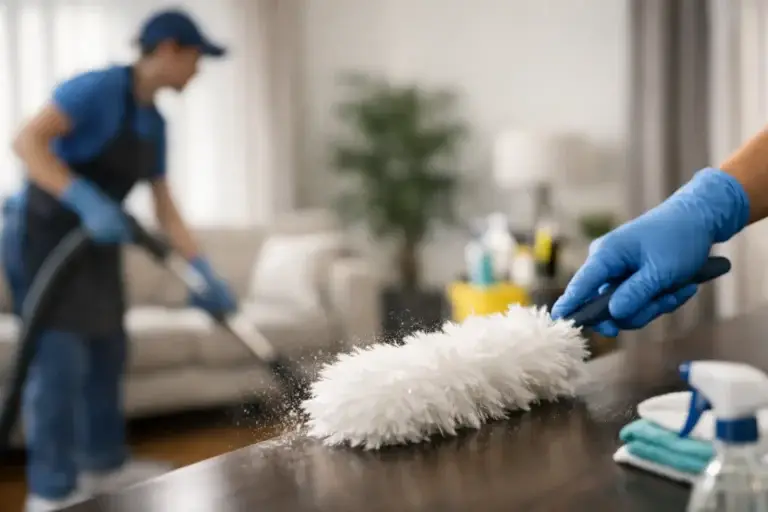
A standard feather duster or dry rag often makes post-renovation dust worse. Fine particles need to be trapped and removed, not pushed back into the air. Microfiber cloths work well because they hold onto dust instead of scattering it. A vacuum with strong filtration is also important, especially on flooring, upholstered furniture, and edges where dust collects.
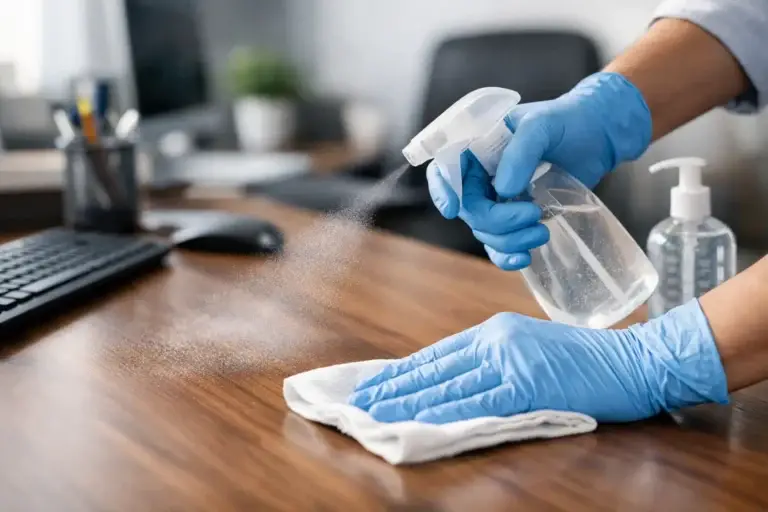
If the renovation created heavy drywall dust, sweeping with a regular broom can send a cloud back across the room. Vacuuming first is usually the better choice. After vacuuming, damp wiping hard surfaces helps pick up the remaining residue. The cloth should be rinsed often so you are not smearing dust from one area to another.
Do not skip ventilation and filters
One reason dust lingers is that the HVAC system keeps moving it. If vents were exposed during the project, particles may be sitting inside registers or circulating through the system. Vent covers should be wiped down carefully, and air filters should be checked and replaced if needed.
Opening windows can help when weather allows, but it depends on conditions outside. In Northern Nevada, wind and dry air can bring in new dust while you are trying to remove the old. On calm days, ventilation can support the cleanup. On windy days, keeping the home closed and relying on filtered vacuuming may be the better call.
The areas people miss most often
Even careful DIY cleanup tends to focus on what is visible at eye level. That leaves behind a surprising amount of fine dust in spots that affect the overall result.
Window blinds, curtain rods, door frames, closet shelves, cabinet tops, and baseboards are common misses. So are switch plates, outlet covers, and the tops of appliances. In bathrooms and kitchens, dust settles on tile edges, around faucets, and inside drawers. In commercial spaces, it can hide on reception counters, behind monitors, along partitions, and inside breakroom cabinets.
Flooring needs special attention too. Hard floors can hold a gritty film after construction, while carpet and rugs trap dust deep in the fibers. Mopping too early can turn fine dust into streaky residue. Vacuuming thoroughly before any wet cleaning usually leads to a much better finish.
When DIY works and when it does not
There are times when a do-it-yourself approach makes sense. If the project was small, contained to one area, and did not involve major sanding or demolition, a careful homeowner or property manager may be able to handle the cleanup with enough time and the right equipment.
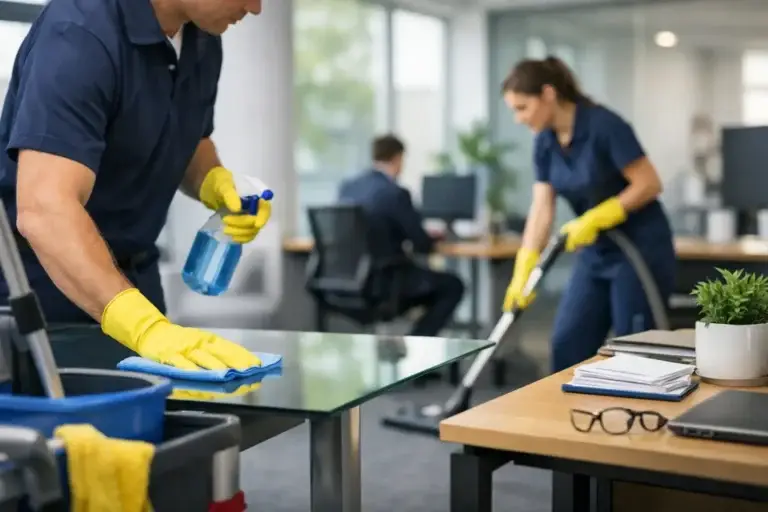
But larger projects are a different story. If dust has spread through several rooms, reached air vents, settled into upholstery, or keeps returning after repeated cleaning, the job can quickly become frustrating. Businesses also face a practical issue – downtime. Office managers and business owners often need the space ready for staff, tenants, or customers without spending days chasing dust from room to room.
That is where professional post-renovation cleaning makes a real difference. Experienced crews know where fine debris hides, how to clean without damaging new finishes, and how to move efficiently through the space. For many people, the value is not just the cleaning itself. It is getting back to normal faster, with confidence that the job was done thoroughly.
What professional dust removal after renovation should include
A proper post-renovation cleaning service should go beyond quick surface wiping. The goal is a truly usable space, not a room that only looks clean from the doorway.
That usually means detailed dusting of high and low surfaces, vacuuming with appropriate filtration, wiping trim and fixtures, cleaning floors according to material type, and addressing buildup in corners, edges, and hard-to-reach areas. Kitchens, bathrooms, and workspaces often need added detail because dust settles into drawers, counters, and frequently touched surfaces.
For residential clients, the biggest benefit is peace of mind. You want to enjoy the upgrade, not spend your evenings cleaning powder off every flat surface. For commercial clients, presentation matters just as much. A newly renovated office or tenant space should feel polished, healthy, and ready for business.
A dependable local company should also be clear about what is included, show up on schedule, and treat the property with care. Bonded and insured protection matters here because renovation cleanup often happens when a space contains new materials, fresh finishes, and updated fixtures.
Protect the clean once the dust is gone
After the main cleanup, a few simple habits help keep dust from settling back in. Replace HVAC filters if the project was heavy. Wipe shoes before entering if exterior work is still underway. If contractors are finishing punch-list items, close off completed areas as much as possible.
It also helps to give soft surfaces one more pass a few days later. Upholstered furniture, rugs, and drapes sometimes release lingering particles after the main cleaning. That does not always mean the first cleanup failed. It simply means fine dust can continue to settle for a short time after the work is complete.
If you are managing a move-in, preparing a rental, reopening an office, or trying to get your home back to normal, a professional follow-through can save time and stress. Cleaning Bee handles the dirty work with the same dependable care local homeowners and businesses count on for a spotless clean every time.
Renovation should leave you with a better space, not an ongoing cleanup project. When the dust keeps coming back, the right cleaning approach makes all the difference – and sometimes the easiest next step is letting experienced professionals finish the job properly.