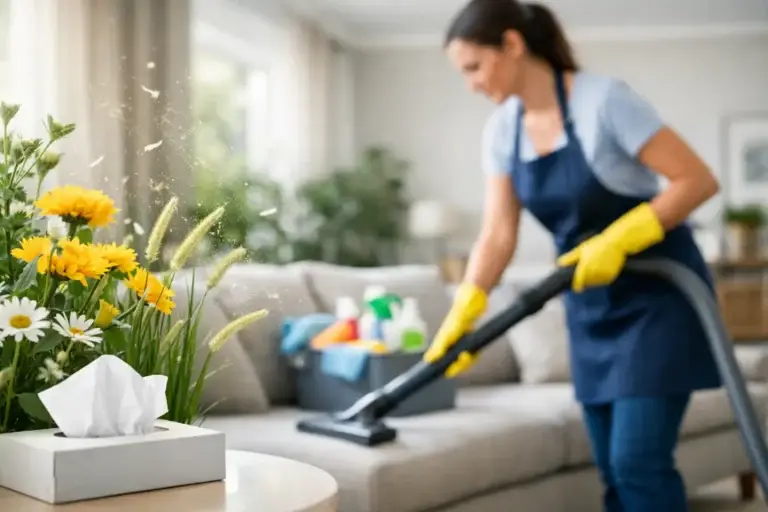
A dusty ceiling fan, pet hair tucked along baseboards, and pollen tracked in from a windy Reno afternoon can add up fast. Can cleaners help with allergies? They can help reduce many of the everyday particles that settle into a home or workplace, making the space easier to maintain and more comfortable for people with allergy sensitivities.
Professional cleaning is not a substitute for medical care or an allergy treatment plan. But a consistent, thorough cleaning routine can remove common indoor triggers before they have time to build up. For busy households, renters preparing for a move, and local businesses that want a healthier-looking workspace, that is a practical difference worth making.
Can Cleaners Help With Allergies? Yes, With Consistent Care
Allergies are often made worse by exposure to airborne and surface-level irritants. Dust mites, pet dander, pollen, mold spores, and outdoor debris can collect in areas that are easy to overlook during a quick weekly tidy. They settle into rugs, upholstered furniture, blinds, bedding, vents, corners, and the narrow spaces behind appliances.
Cleaning removes a portion of those particles from the environment. The key is doing the right work often enough. Vacuuming only the center of the room or wiping visible dust from a counter can improve appearances, but it may leave the buildup that contributes to irritation behind.
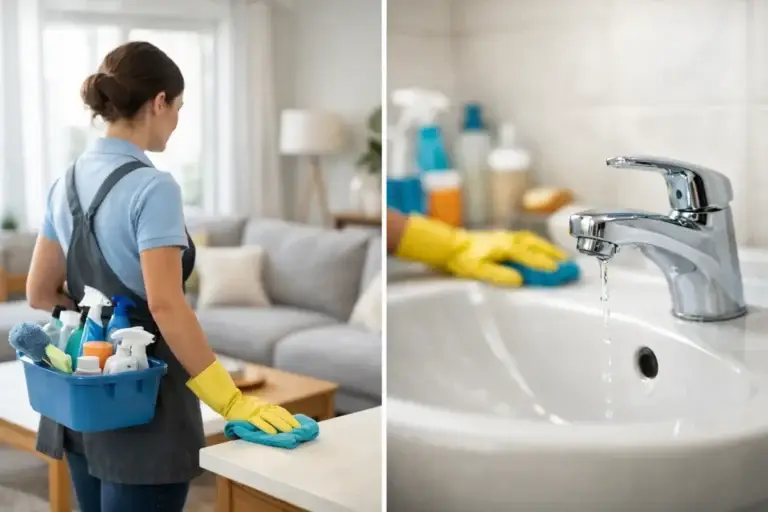
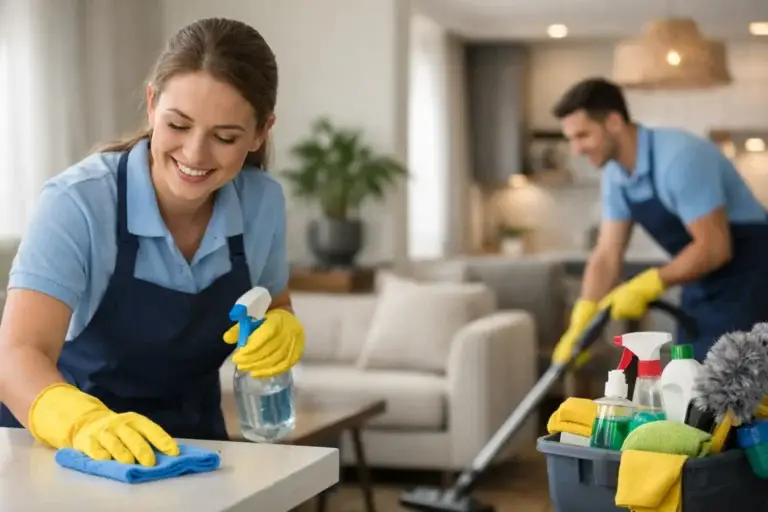
A professional cleaning team brings a more systematic approach. Rather than treating cleaning as a surface-level reset, trained cleaners work through the rooms where dust and debris naturally collect. Recurring service is especially useful because allergens do not stay gone after one visit. They return through open windows, shoes, pets, laundry, visitors, and normal daily life.
Northern Nevada homes can face an extra challenge from dry conditions and frequent wind. Fine dust and outdoor pollen can find their way indoors quickly. A dependable routine helps keep that buildup from becoming the new normal.
The Areas That Matter Most for Allergy-Sensitive Homes
Not every cleaning task has the same impact. For allergy-aware cleaning, detail work matters because allergens tend to gather in soft surfaces and low-traffic areas as much as on obvious countertops.
Floors, rugs, and carpet edges
Floors are collection points for dust, hair, dander, and particles carried in from outside. Regular vacuuming helps, especially when the vacuum has effective filtration and is used slowly enough to lift debris rather than simply move it around. Hard floors also need proper mopping, because dry sweeping alone can stir fine dust into the air.
Carpet can hold onto allergens more stubbornly than hard flooring. Routine vacuuming is still valuable, but homes with heavy shedding pets, young children, or significant seasonal allergies may benefit from periodic specialized carpet care as well. A standard house cleaning can control day-to-day buildup; deep carpet extraction addresses a different level of soil and should be scheduled separately when needed.
Upholstery, bedding, and fabric surfaces
Sofas, chairs, curtains, and mattresses can trap dust and pet dander. These areas are easy to miss because they may look clean from across the room. Vacuuming upholstery where appropriate, washing bedding regularly, and reducing clutter on fabric furniture can make a meaningful difference.
Professional cleaners can focus on reachable fabric surfaces and the surrounding areas where dust collects. For delicate textiles or specialty upholstery, it is best to follow the manufacturer’s care instructions or use a service specifically equipped for that material.
High and low dust zones
Ceiling fans, light fixtures, vents, blinds, window tracks, baseboards, and the tops of cabinets are common dust reservoirs. When they are skipped for months, particles can drop back into the room whenever air moves through the space.
A detailed cleaning plan handles both high and low zones. Dusting from top to bottom is a simple but effective method: remove dust from higher surfaces first, then clean the furniture and floors below. It keeps the work organized and prevents re-cleaning the same area.
Kitchens and bathrooms
Kitchens and bathrooms matter for a different reason: moisture. Damp conditions around sinks, showers, toilets, and poorly ventilated areas can encourage mold or mildew growth. Not every dark spot is mold, and serious mold concerns should be assessed by the right remediation professional. Still, regular cleaning of moisture-prone surfaces helps prevent ordinary soap buildup, grime, and lingering dampness from becoming larger housekeeping issues.
Why Deep Cleaning Can Be a Smart Starting Point
If it has been a while since the home received a thorough cleaning, recurring service alone may feel like it is playing catch-up. A deep cleaning provides a stronger reset by addressing neglected dust, buildup, and detail areas before regular maintenance begins.
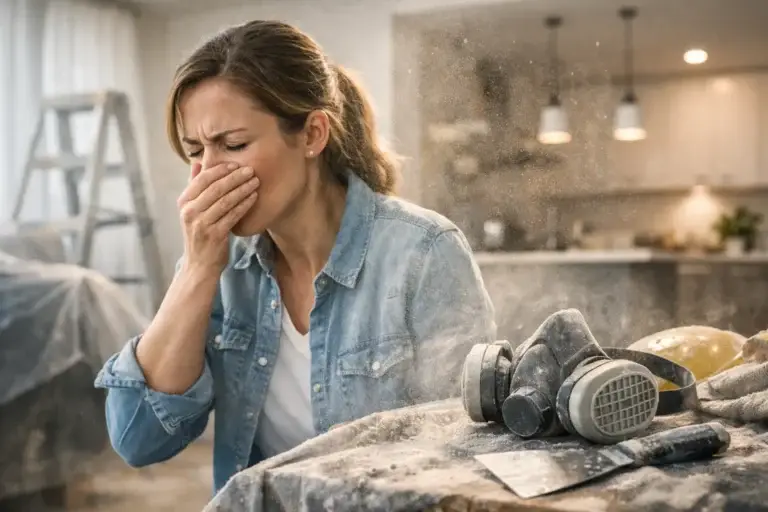
This is often a practical choice after a renovation, before bringing home a new baby, during allergy season, or when moving into a rental that does not feel truly fresh. Post-construction dust deserves special attention because fine particles can settle long after the visible mess is gone. A careful cleaning of floors, surfaces, baseboards, and accessible fixtures can help restore a livable space.
The trade-off is simple: deep cleaning takes more time and is usually a larger one-time investment than standard maintenance. For many households, it pays off by making future visits more efficient and keeping the home at a more comfortable baseline.
Eco-Friendly Products and Allergy Concerns
People with allergies or chemical sensitivities often worry about cleaning products as much as dust. That concern is reasonable. Strong fragrances and harsh chemicals can bother some people, even when those products are effective for cleaning.
Eco-friendly cleaning practices can be a better fit for many homes, especially those with children, pets, or sensitivity concerns. However, “eco-friendly” does not automatically mean every product is right for every person. If someone in your household has asthma, a diagnosed allergy, fragrance sensitivity, or other health concerns, let the cleaning team know before service. Clear communication helps the team use appropriate products and avoid scents or ingredients that may be a problem.
It also helps to keep expectations realistic. Cleaning products can remove dirt and reduce residue, but they cannot solve every air-quality issue. If symptoms persist despite regular cleaning, consider other factors such as HVAC filter changes, humidity levels, pet access to bedrooms, leaks, or outdoor pollen entering through open windows.
A Better Cleaning Routine Between Professional Visits
Professional service works best when paired with a few manageable habits. You do not need to spend every evening cleaning. Focus on the actions that prevent buildup: remove shoes near the entry, wipe pets after dusty walks, wash bedding regularly, and vacuum high-use areas between visits.
Try to avoid creating more airborne dust while cleaning. A damp microfiber cloth usually captures dust better than a dry duster, and a slow vacuum pass is more useful than a rushed one. Keep bathroom fans running after showers when possible, and address spills or moisture promptly.
For households with severe allergies, a healthcare professional may recommend additional measures based on the specific trigger. The cleaning plan should support those recommendations, not replace them.
Cleaner Workspaces Can Support Employee Comfort, Too
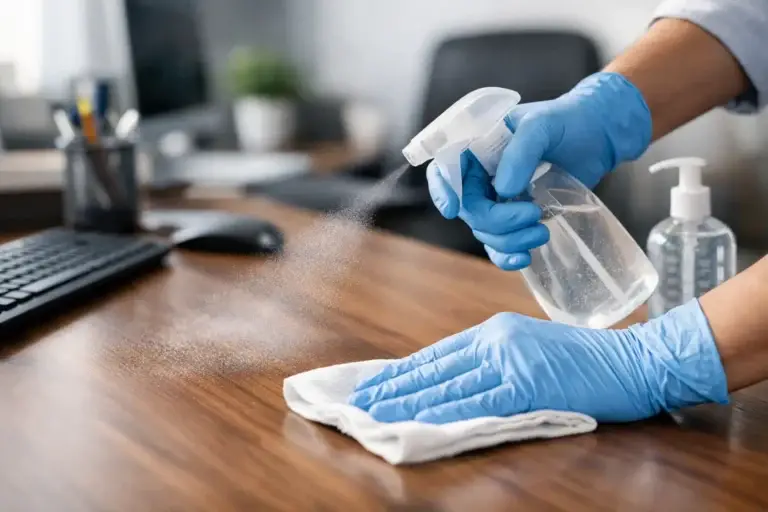
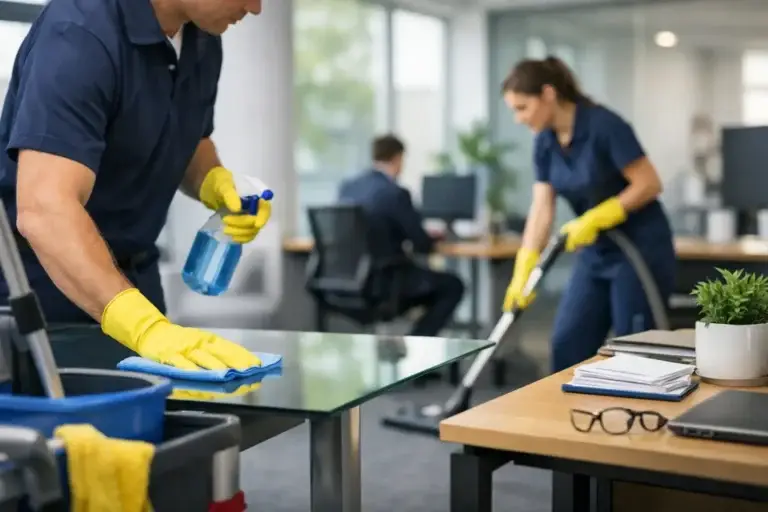
Allergy-aware cleaning is not only a residential concern. Offices, retail spaces, and shared work areas accumulate dust, tracked-in debris, fingerprints, and breakroom residue every day. A clean workplace supports a professional appearance, but it also makes shared spaces more comfortable for employees and visitors.
Recurring office cleaning can focus on floors, common touchpoints, restrooms, breakrooms, desks, and dust-prone surfaces. Service frequency depends on foot traffic, pets in the workplace, building conditions, and how often clients visit. A small office may need weekly care, while a busy commercial space may require more frequent attention.
Let a Trusted Local Team Handle the Dirty Work
A clean home should feel like a place to rest, not another task waiting at the end of a long day. Cleaning Bee provides dependable residential and commercial cleaning throughout Reno, Sparks, and Northern Nevada, with experienced staff, eco-friendly options, and service designed around your needs.
Whether you need a deep clean to reset the space or recurring visits to keep dust and dander under control, a consistent plan can take pressure off your routine. Let us handle the dirty work so you can come back to a fresher, more comfortable space.