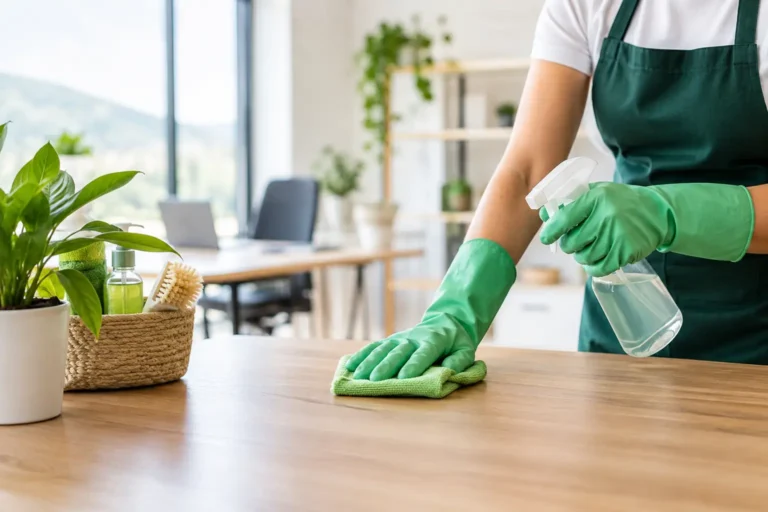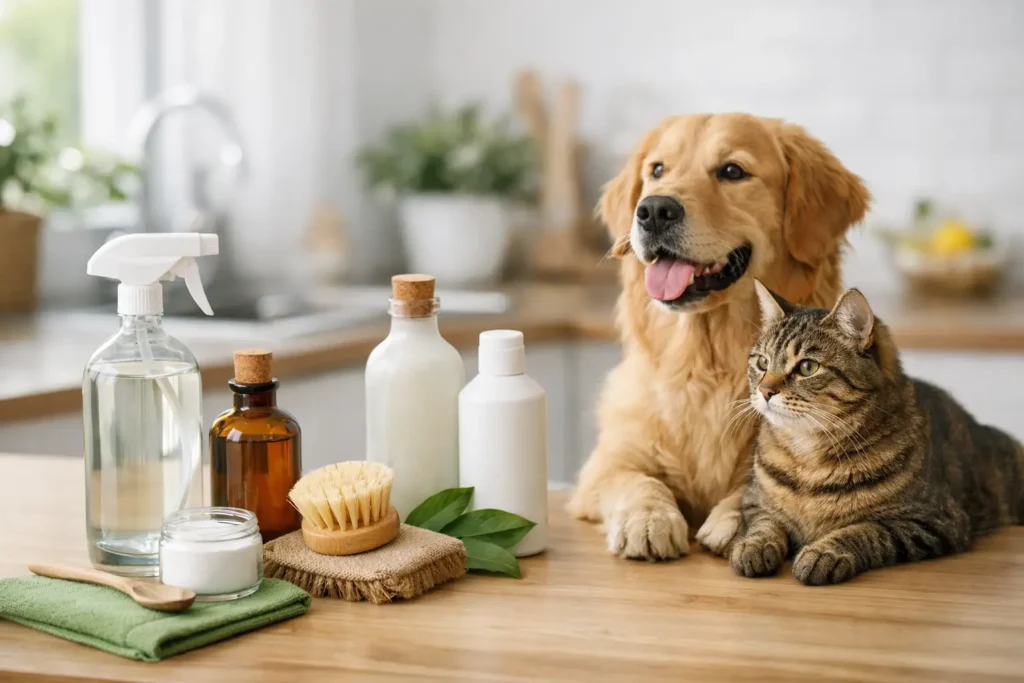
If you have ever watched a dog lick a freshly cleaned floor or found your cat stretched across a just-wiped countertop, you already know why eco friendly house cleaning products safe for pets matter. A clean home should feel healthier, not leave you second-guessing every spray bottle under the sink.
For pet owners in busy households, the challenge is not just getting rid of dirt, fur, paw prints, and odors. It is choosing products that clean well without leaving behind residues, harsh fumes, or ingredients that can irritate sensitive noses, paws, and skin. That balance is possible, but it takes a little more care than grabbing the strongest cleaner on the shelf.
What makes a cleaning product pet safe?
A product does not become pet safe just because the label says green, natural, or plant-based. Those terms can be helpful, but they are not a guarantee. Some ingredients that sound gentle can still be irritating to animals, especially pets that groom themselves often or spend most of the day on floors, rugs, and furniture.
In practical terms, pet-safe cleaning products are the ones that do their job without creating unnecessary risk through inhalation, skin contact, or residue. That usually means formulas with fewer harsh chemicals, lighter or no added fragrance, and clear directions for dilution and drying time. It also means using the right product on the right surface. Even a safer cleaner can become a problem if it is overused or not properly rinsed.
This is where many homeowners run into trouble. They assume stronger always means cleaner. In reality, a well-matched cleaner plus proper technique often gives you better results than an aggressive formula that leaves behind a film your pet walks through all day.
Eco friendly house cleaning products safe for pets to look for
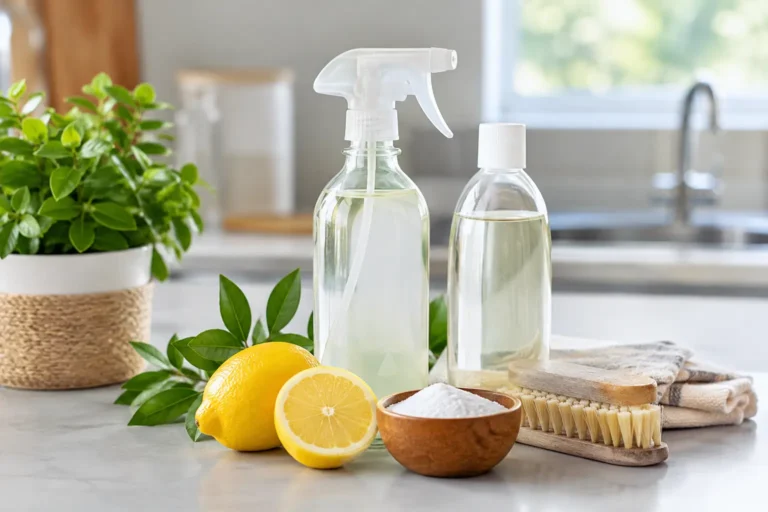
The safest approach is to choose products designed for household use that clean effectively with simple, lower-toxicity ingredients. Mild dish soap for certain spot-cleaning jobs, gentle unscented floor cleaners, and residue-conscious all-purpose sprays can all have a place in a pet-friendly home.
For hard surfaces, a pH-balanced all-purpose cleaner is often a smart choice. It handles routine messes on counters, sealed tables, and many finished surfaces without the heavy fumes that come with some conventional degreasers. For floors, especially where pets nap, play, and eat, low-residue formulas are worth prioritizing. If the floor feels sticky or slick after cleaning, that is usually a sign you need a different product or less of it.
For odor control, the best pet-safe options tend to focus on neutralizing messes instead of masking them with strong perfume. That matters in homes with dogs and cats, since fragrance-heavy products can be unpleasant for people and overwhelming for animals. A product that leaves the room smelling like almost nothing after it dries is often the better choice.
Laundry products matter too. Pet bedding, washable rugs, furniture covers, and blankets hold on to dander, saliva, and accident odors. A gentle, fragrance-conscious detergent can reduce irritation while still keeping fabrics fresh. If your pet has allergies or sensitive skin, this can make a noticeable difference.
Ingredients and product types to use with caution
No-nonsense cleaning starts with knowing what to avoid or at least handle carefully. Products with heavy bleach content, ammonia, strong disinfectants, and overpowering synthetic fragrance can create problems in pet households. Some are too irritating for routine use around animals. Others are fine only if used in limited situations with good ventilation and full drying time before pets return to the area.
Essential oils are another area where it depends. Many people assume they are automatically safer because they come from plants. That is not always true for pets. Certain oils can be especially problematic for cats and may also bother dogs, depending on the oil, the concentration, and how it is used. If a cleaner leans heavily on essential oils for scent, caution is wise.
Homemade solutions also deserve a reality check. A simple mix may sound safer than a store-bought product, but not every DIY recipe is a good fit for every surface or every animal. Vinegar, for example, can be useful for some cleaning jobs, but it is not ideal for all materials, and it is not a replacement for every type of cleaner. The main point is to avoid treating homemade as automatically harmless.
How to clean common pet zones safely
Floors and baseboards
Floors take the biggest hit in pet-friendly homes. Mud, shedding, tracked litter, food spills, and the occasional accident all end up there. Since pets spend so much time in direct contact with the floor, this is the place to be most selective.
Use a cleaner made for your specific flooring type, follow dilution directions closely, and let the surface dry fully before pets are back on it. More product does not mean more clean. It often means more residue. Baseboards are easy to overlook, but they collect dust, fur, and splash marks. A damp microfiber cloth with a gentle cleaner is usually enough.
Food and water areas
Bowls, feeding mats, and the surrounding floor need regular attention. Here, simpler is better. A mild dish soap and warm water can handle many daily cleaning needs, especially on washable mats and bowls. For nearby flooring or walls, use a residue-light cleaner and wipe thoroughly so nothing transfers back to the pet’s dishes.
Upholstery and pet beds
Soft surfaces trap odors fast. Vacuuming first removes fur and dander before you introduce any moisture. For spot treatment, use fabric-safe products with a short ingredient list and a light scent or no scent at all. Always test an inconspicuous area first, since some fabrics react differently and leftover moisture can attract more dirt.
Accident cleanup
When urine or vomit is involved, speed matters. Blot first, then use a cleaner built to break down organic messes rather than just cover the smell. If odor lingers, pets may return to the same spot. A pet-safe enzymatic cleaner is often the better solution here because it addresses the source of the smell, not just the symptom.
A cleaner home without overdoing the chemicals
One of the most effective ways to protect pets is simply to reduce how much chemical cleaning your home needs in the first place. Frequent light cleaning usually works better than waiting for buildup and then attacking it with stronger products.
Vacuuming regularly, wiping paws after outdoor time, washing pet bedding often, and staying ahead of fur and dust all lower the need for heavy-duty cleaners. Good ventilation also helps. Open windows when weather allows, especially after mopping, bathroom cleaning, or any product use with noticeable odor.
This is also where professional cleaning can help. A trained team can match products to surfaces, avoid overuse, and clean thoroughly without turning your home into a cloud of fragrance and residue. For households juggling work, kids, and pets, that kind of consistency can make the home easier to manage week after week.
When professional cleaning is the safer choice
Pet-friendly cleaning is not just about the bottle. It is about method, timing, and experience. That matters even more after a move, a renovation, or a deep-cleaning job where dust, debris, and heavier buildup are part of the picture.
A dependable cleaning company should understand how to clean for real life, not just appearance. That means knowing which products are better for homes with pets, paying attention to high-contact surfaces, and leaving the space fresh and comfortable instead of heavily scented. In Northern Nevada homes, where dust can build quickly, that approach goes a long way.
At Cleaning Bee, we know many clients want a spotless clean every time without worrying about what their pets are breathing in or tracking through the house. Safe, eco-friendly cleaning practices are not an extra for pet owners. They are part of what makes a home feel truly clean.
How to choose eco friendly house cleaning products safe for pets
Start with your pet’s habits. A senior dog who mostly sleeps on one rug has different exposure than a kitten jumping on counters or a puppy licking the floor. Think about where your pet spends time, what surfaces they touch most, and whether they have any known sensitivities.
Then read labels with a practical eye. Look for clear use directions, realistic claims, and products intended for household surfaces rather than industrial-strength cleaning. Be cautious with heavy fragrance, vague ingredient language, or products that seem to promise everything. The best choice is usually the one that is effective, appropriate for the surface, and easy to rinse or dry without leaving residue behind.
A clean home and a pet-safe home should go together. When your cleaning routine is built around products that are gentler, properly used, and matched to the way your household actually lives, you get more peace of mind with every wiped counter, washed blanket, and freshly cleaned floor.