Monday morning looks different when the breakroom counter is sticky, fingerprints are all over the conference table, and no one is quite sure when the shared phone was last wiped down. The best practices for office disinfection are not about making a workspace smell like chemicals. They are about reducing germ spread, protecting employees and visitors, and keeping your business looking professional every day.
For offices in Reno, Sparks, and surrounding Northern Nevada communities, disinfection works best when it is part of a practical cleaning plan, not a rushed reaction after someone gets sick. A clean-looking office matters, but a healthier office depends on using the right methods, at the right frequency, on the right surfaces.
What office disinfection should actually focus on
A common mistake is treating every surface the same. In most workplaces, the biggest risk is not the floor in the corner that no one touches. It is the high-contact areas people use all day without thinking about it.
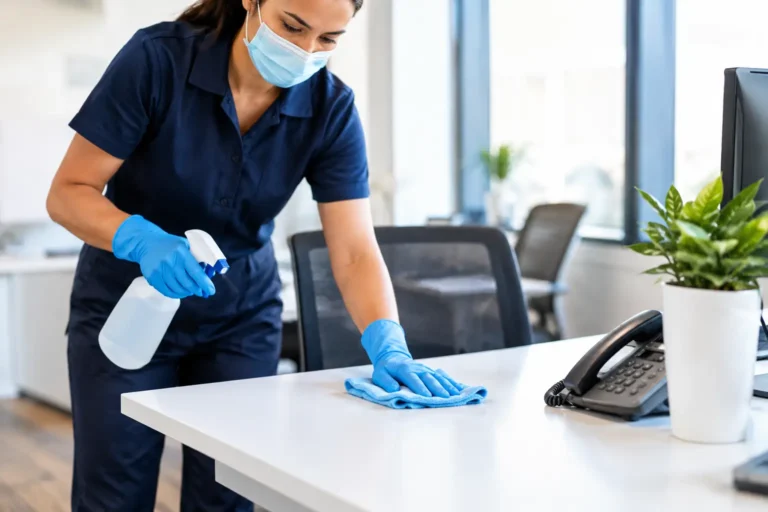
Door handles, light switches, reception counters, shared desks, keyboards, phones, chair arms, copier buttons, faucet handles, toilet flush levers, and breakroom tables should be the priority. These are the spots where bacteria and viruses move quickly from hand to hand. If your office has a shared kitchen, the microwave handle, refrigerator door, coffee station, and sink area need regular attention too.
That does not mean every inch of the building needs hospital-level disinfection. It means your plan should be targeted and consistent. Overdoing low-risk surfaces can waste time and product, while missing high-touch points leaves the office vulnerable.
Best practices for office disinfection start with cleaning first
Disinfection is not the same as cleaning. Cleaning removes dirt, dust, crumbs, and residue. Disinfection is what kills or inactivates many of the germs left behind. If a surface is visibly dirty, spraying disinfectant on top of it is usually not enough.
This is one of the most important best practices for office disinfection. Surfaces need to be cleaned first so the disinfectant can do its job properly. A greasy breakroom counter or dusty desktop can keep the product from reaching the surface evenly. In real office settings, that step matters more than people realize.
It also helps protect finishes and equipment. Using too much product or applying strong chemicals on dirty surfaces can leave streaks, buildup, or damage, especially on screens, wood-look desks, and specialty materials.
Contact time matters more than most people think
One quick wipe is not always disinfection. Most disinfecting products require a specific dwell time, which means the surface has to stay visibly wet for a certain number of minutes. If the product is wiped away too early, it may not deliver the level of germ reduction listed on the label.
This is where rushed cleaning routines often fall short. The office may look tidy, but the disinfection step was not completed correctly. A dependable process matters because details like contact time can make the difference between appearance and actual sanitation.
Build a schedule around how the office is used
The right frequency depends on traffic, layout, and how people work. A small office with private workspaces and limited visitors will not need the same level of disinfection as a busy office with shared desks, public-facing reception, and constant foot traffic.
For many workplaces, daily disinfection of high-touch surfaces is a smart baseline. Restrooms, entry points, and kitchens often need the most attention. Shared workstations may need more frequent service if multiple employees rotate through them. If someone has been sick in the office, it is wise to increase attention on the areas they used most.
There is always a balance to strike. Too little service creates health and appearance issues. Too much in the wrong places can raise costs without adding much benefit. A practical office cleaning plan should reflect the actual use of the space, not a one-size-fits-all checklist.
Shared spaces deserve extra attention
Conference rooms, lobbies, and breakrooms are often where offices fall behind. People assume these spaces are cleaned because they are visible, but they also collect frequent touchpoints in a short period of time.
Conference tables, remote controls, shared markers, door pulls, and guest seating can quickly become overlooked problem areas. In breakrooms, trash buildup, food spills, and appliance handles create a different kind of sanitation issue. A clean office is not just about desks and floors. The common areas shape how employees feel and how visitors judge your business.
Use the right products for the surface and setting
Not every disinfectant is right for every office. Stronger is not always better. Some products are effective but harsh, leaving behind fumes or residues that are unpleasant in enclosed workspaces. Others are safer for routine use but still need to be applied correctly to work.
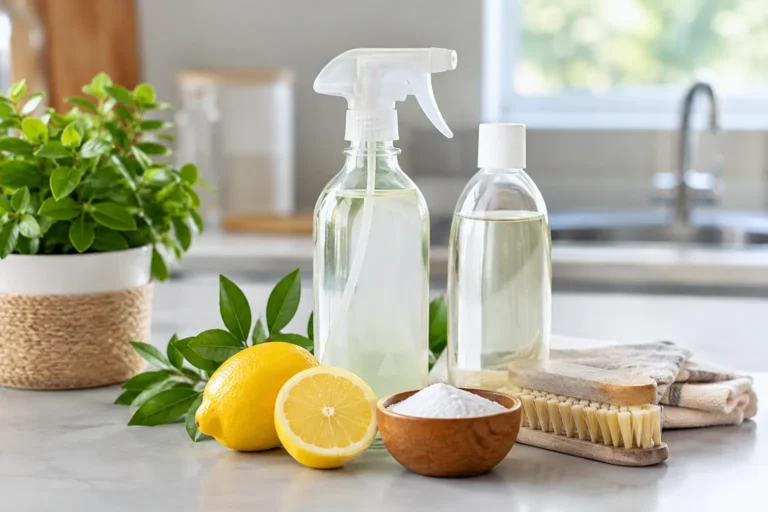
A practical approach is to choose disinfecting products that are effective for commercial use, suitable for the surfaces in your office, and manageable for regular service. Eco-friendly options can be a good fit for many businesses, especially when employees are sensitive to strong odors or when the company wants a cleaner, more responsible workplace approach.
Still, there are trade-offs. Some low-odor or greener products may require stricter attention to dwell time. Some delicate surfaces, like electronics or specialty finishes, may need a separate method entirely. That is why office disinfection should never be treated like a blanket spray-and-go task.
Train for consistency, not just speed
Even the best product will underperform if the process is inconsistent. Offices need a clear method for what gets cleaned, what gets disinfected, how often it happens, and how to avoid cross-contamination between restrooms, kitchens, desks, and public areas.
Color-coded cloths, fresh mop heads, and separate tools for restrooms and food areas are simple but important standards. So is knowing when to replace dirty supplies instead of pushing through to finish faster. If the same cloth is used across multiple rooms without proper control, germs can be spread instead of removed.
For business owners and office managers, this is often where professional service makes the biggest difference. A trained team is more likely to follow repeatable standards, protect surfaces, and keep the work consistent week after week. Cleaning Bee has built its reputation on that kind of dependable service because businesses need more than a quick wipe-down. They need confidence that the job is being done right.
Pay attention to restrooms and kitchens without ignoring desks
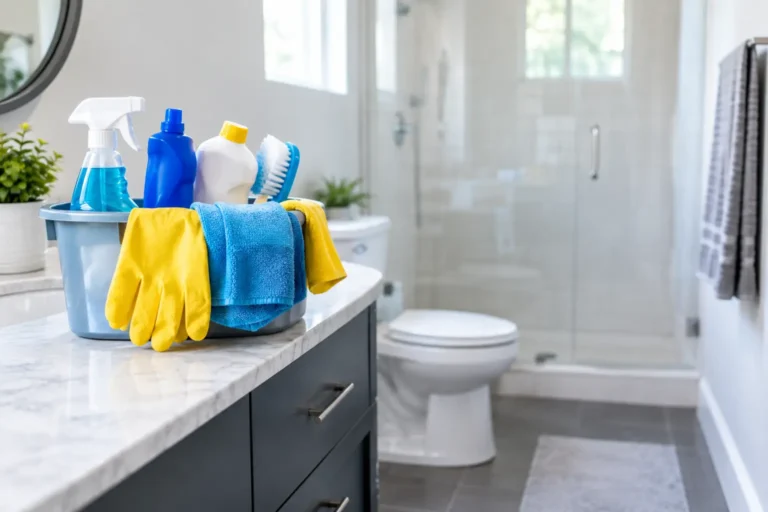
Restrooms and breakrooms naturally get the most concern, and for good reason. They combine moisture, frequent contact, and shared use. Sinks, countertops, faucets, soap dispensers, stall locks, and toilet handles should be handled carefully and often.
But desks and office equipment should not be ignored just because they look less messy. Phones, keyboards, mice, and chair arms can carry a surprising amount of contamination in busy offices. The catch is that these surfaces require more care. Too much liquid can damage electronics, and some products are not safe for screens or coated materials.
It depends on who is using the equipment and whether devices are shared. In assigned workstations, employees may handle some personal items themselves, while a cleaning team focuses on surrounding touchpoints. In hot-desk setups or call centers, the disinfecting plan usually needs to be more structured and more frequent.
Communication helps the plan work
A good disinfection routine works better when employees understand it. That does not mean posting long cleaning manuals in the hallway. It means setting clear expectations around personal desk clutter, shared kitchen use, illness policies, and what the cleaning service covers.
If a workstation is buried under papers, food containers, and charging cords, it becomes harder to clean and disinfect thoroughly. If employees know what needs to stay accessible, the service will be better and more consistent. Simple communication also reduces friction and helps everyone do their part.
When to bring in professional office disinfection
Some offices can manage light day-to-day upkeep internally, but many businesses reach a point where in-house cleaning becomes inconsistent. That usually happens when staff are busy, standards vary from person to person, or the office needs a more polished result for clients and employees.
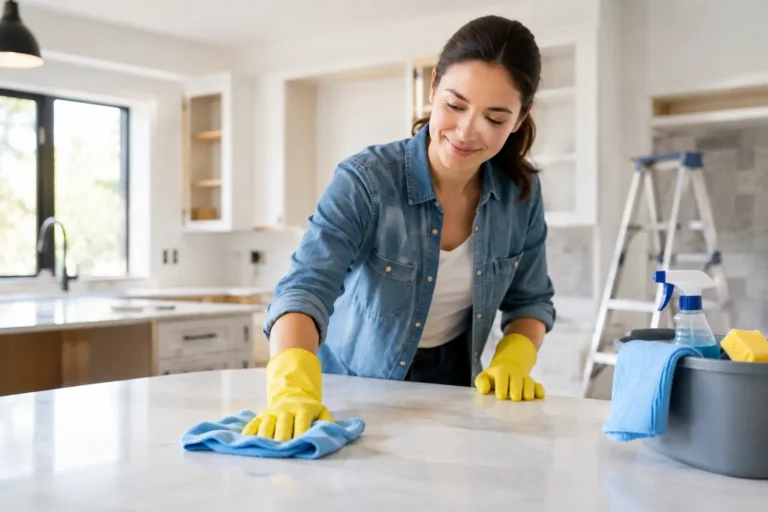
Professional office disinfection is especially helpful for larger teams, higher-traffic offices, medical-adjacent settings, shared workspaces, and businesses that want a dependable recurring schedule. It also helps after illness outbreaks, office events, tenant turnover, or renovation dust that leaves surfaces dirtier than usual.
The right service should feel straightforward. You want a team that shows up on schedule, uses appropriate products, pays attention to high-touch details, and treats your workplace with care. That kind of consistency protects your people, supports your image, and saves your staff from having to handle the dirty work themselves.
A cleaner office does more than look good at first glance. It helps people feel comfortable walking in, sitting down, and getting to work without second-guessing the condition of the space. When your disinfection plan is practical, consistent, and handled with care, the whole office runs better.