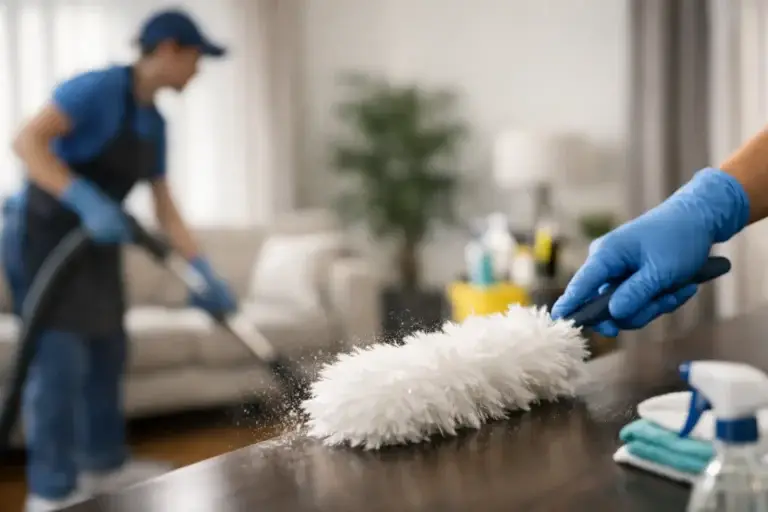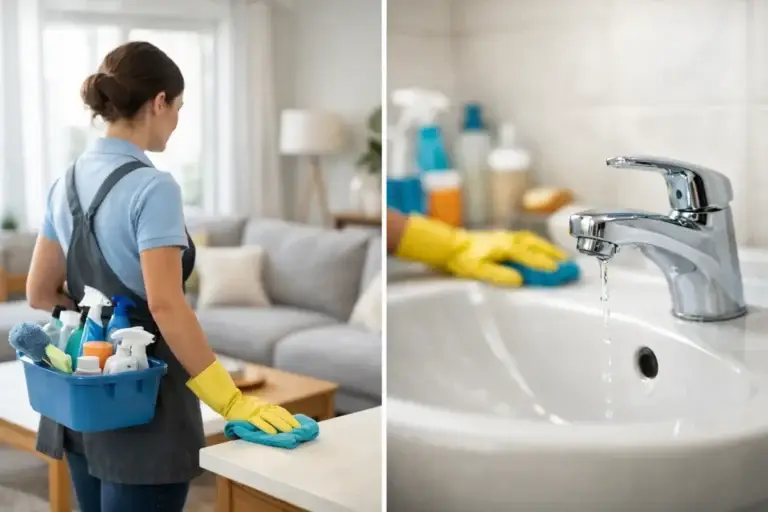
That sharp chemical smell some people associate with a clean home or office is not always a sign of a better result. More often, it is just a sign that stronger products were used. When clients ask about green cleaning vs traditional cleaning, what they usually want to know is simple: which option actually gets the job done without creating new concerns for kids, pets, employees, or sensitive surfaces?
The honest answer is that both approaches can be effective. The better choice depends on the space, the type of soil or buildup, the people using the property, and the level of sanitizing needed. For homeowners and businesses in Reno, Sparks, and across Northern Nevada, the right cleaning plan often comes down to balancing health, performance, and long-term upkeep.
What green cleaning vs traditional cleaning really means
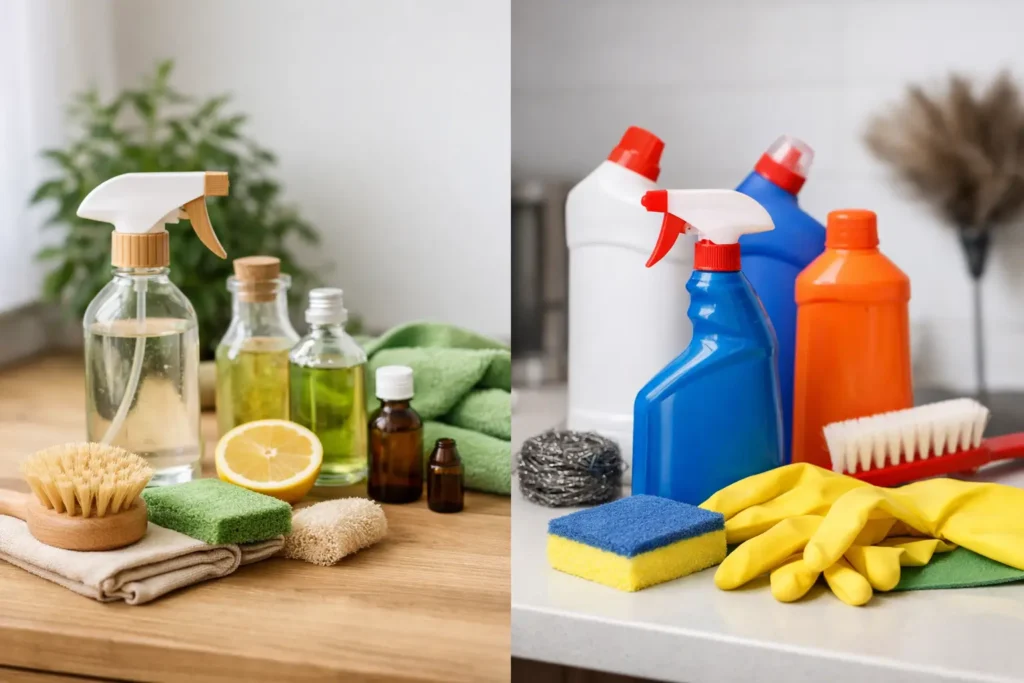
Green cleaning usually refers to products and methods designed to reduce harsh chemical exposure, improve indoor air quality, and lower environmental impact. That can include cleaners with plant-based ingredients, lower-fragrance formulas, reusable materials, and practices that limit waste. It does not mean weak or homemade. Professional green cleaning is still a serious service, and when done correctly, it delivers a spotless clean every time on most everyday surfaces.
Traditional cleaning generally uses more conventional products, including stronger degreasers, disinfectants, bleach-based solutions, and heavy-duty chemicals made to tackle tough buildup fast. In many situations, these products are highly effective. They have long been the standard in both residential and commercial cleaning because they cut through grime quickly and can be the right call for specific sanitation needs.
The mistake is assuming one method is always better in every situation. It rarely works that way.
Where green cleaning stands out
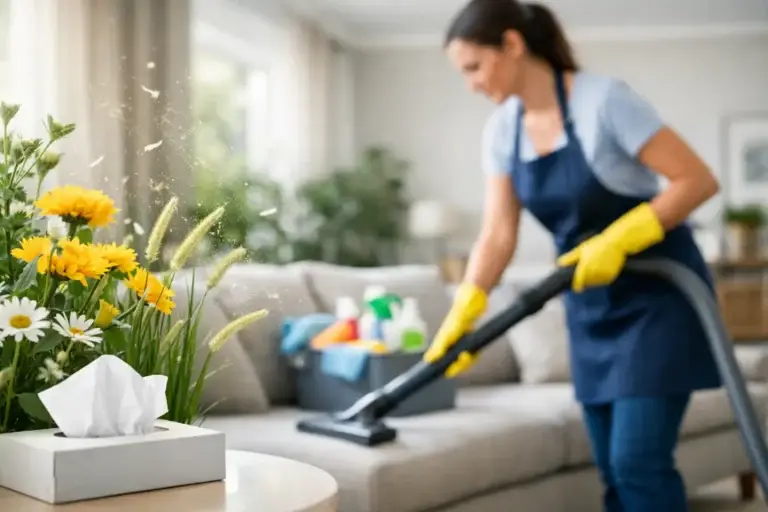
For routine house cleaning, green cleaning often makes a lot of sense. If you have children crawling on floors, pets licking paws after a mop service, or family members with asthma, allergies, or scent sensitivity, lower-residue and lower-odor products can make daily life more comfortable.
That matters in offices too. Employees spend long hours indoors, and lingering fumes can be distracting or irritating. In smaller workspaces especially, strong chemical odors can make a fresh cleaning feel unpleasant instead of reassuring. Green products can help maintain a cleaner workspace without leaving behind that harsh just-cleaned smell.
Another advantage is surface care. Some traditional cleaners are effective but aggressive, especially when used too often or with the wrong dilution. Over time, that can wear down finishes on flooring, counters, fixtures, and specialty materials. Green cleaning methods are often gentler, which can help preserve surfaces through regular maintenance.
For recurring service, this is where green cleaning tends to shine. Weekly, biweekly, or monthly cleanings are about consistency. A practical, eco-friendly approach can keep dust, dirt, fingerprints, kitchen messes, and bathroom buildup under control without overloading the space with stronger products every visit.
Where traditional cleaning still has a place
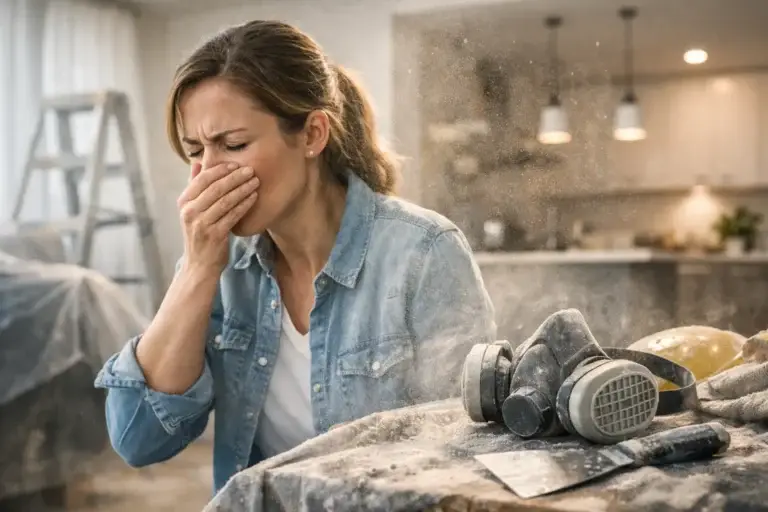
There are times when traditional cleaning products are simply more efficient. Post-construction dust, heavy grease, soap scum that has been building for months, mineral deposits, and move-out cleaning challenges sometimes call for more aggressive solutions.
Bathrooms in high-traffic commercial spaces are a good example. So are break rooms with neglected microwaves, floors near entryways during wet weather, and properties that have gone too long without deep cleaning. In those cases, traditional products can save time and produce a more complete result.
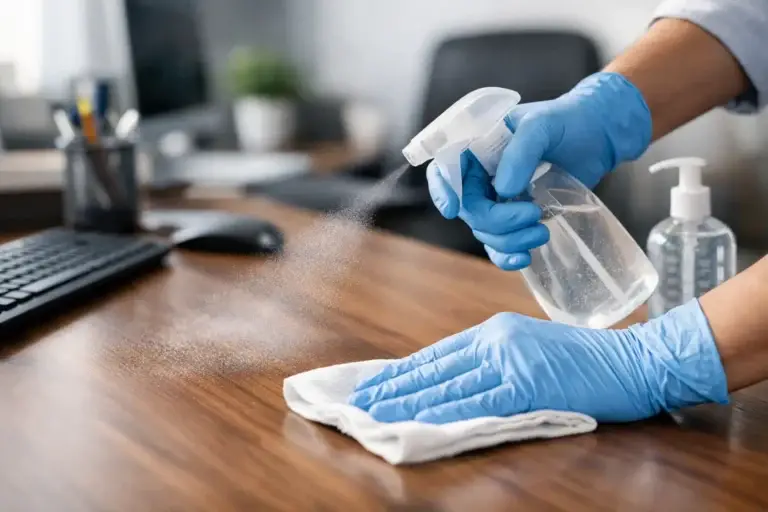
Disinfection is another area where the conversation gets more specific. Cleaning and disinfecting are not the same thing. A surface can look clean and still not be disinfected, and some environments need that extra level of sanitation. Medical-adjacent spaces, shared office touchpoints during illness season, and certain move-in or move-out situations may justify stronger disinfecting products.
That does not mean every room in every property needs maximum-strength chemicals. It just means there are situations where traditional cleaning products remain useful and appropriate.
Safety is about more than the label
A lot of people hear green and assume safe, or hear traditional and assume dangerous. Real-world cleaning is more nuanced than that. Product safety depends on ingredients, concentration, ventilation, dwell time, mixing practices, and proper use.
Even a milder product can cause problems if it is overused. And even a stronger commercial cleaner can be handled responsibly by trained professionals who know where it belongs and where it does not. This is one reason professional service matters. The goal is not just to apply products. It is to use the right method for the right surface, with care for the people living or working there.
For homes with babies, older adults, pets, or family members with respiratory concerns, product selection should be intentional. For businesses, it should support both cleanliness and a comfortable environment for staff and customers. Trustworthy and secure service means thinking past the bottle and focusing on the full cleaning process.
Cost, performance, and the question most people actually ask
Most clients do not ask for a chemistry lesson. They ask, Will it work, and what will it cost?
Green cleaning products can sometimes cost more than standard alternatives, but the difference is not always dramatic at the service level. In many cases, the bigger factor is labor, not the product itself. If a cleaner uses the right tools, follows a system, and stays consistent, green cleaning can be a practical choice without turning basic maintenance into a premium-only service.
Performance depends on the task. For everyday upkeep, green products often perform very well. For neglected spaces or jobs with heavier residue, traditional products may get faster results. That is why a mixed approach is often the smartest one.
A professional cleaning company may use eco-friendly products for general surfaces, living areas, desks, and routine bathroom cleaning, then reserve stronger specialty products for stubborn trouble spots. That balance protects indoor comfort while still delivering the level of clean most people expect.
Green cleaning vs traditional cleaning for homes
In residential spaces, the decision usually comes down to lifestyle. If your home is cleaned regularly, green cleaning is often enough to maintain kitchens, bathrooms, bedrooms, and common areas. It supports a healthier-feeling environment and can reduce concerns about residue on high-touch surfaces.
If you are preparing for guests, recovering from a renovation, moving out of a rental, or catching up after a long stretch without professional cleaning, a more traditional deep-cleaning approach may be needed in certain areas. Ovens, tile grout, shower glass, and built-up baseboards are common examples.
For many families, the best answer is not choosing one side forever. It is using the method that fits the condition of the home today, then adjusting as maintenance becomes easier.
Green cleaning vs traditional cleaning for businesses
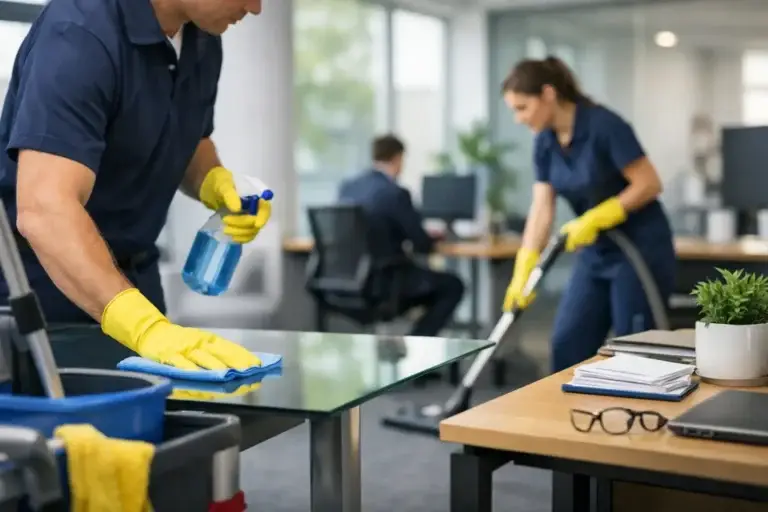
Commercial cleaning has different pressures. Appearance matters, but so do sanitation, consistency, and efficiency. A law office, retail store, property management office, or professional suite may benefit from green products that keep the space fresh without bothering staff or visitors.
At the same time, restrooms, kitchens, and high-touch shared surfaces often require a stricter cleaning plan. Businesses also deal with foot traffic, spills, and season-to-season mess that can demand stronger products from time to time.
A dependable provider will not force a one-size-fits-all system. They will look at traffic levels, facility use, and your priorities, then build a plan that delivers reliable results with the right product mix.
What to look for in a professional cleaning service
If you are comparing service options, ask how the company approaches product selection. A good answer should be practical, not vague. You want to hear that they can tailor the job, use eco-friendly methods where they make sense, and apply stronger solutions only when the situation truly calls for it.
It also helps to ask about training, consistency, and protection for your property. Bonded and insured service, experienced staff, and a clear service guarantee matter just as much as the cleaner itself. A bottle does not create quality. The people and process behind it do.
For homeowners and businesses that want dependable local service, this is often the real difference. The best cleaning plan is not built around marketing terms. It is built around what keeps your space cleaner, healthier, and easier to manage week after week.
At Cleaning Bee, that practical balance is what many clients are really looking for – eco-friendly care when it fits, stronger solutions when needed, and professional judgment throughout. If you want a space that feels clean, safe, and well cared for, the right approach is the one that matches your property instead of forcing your property to match a trend.
A clean space should make life simpler, not leave you guessing about what was used or whether it was necessary. The best results come from thoughtful service, consistent upkeep, and a team that knows when gentle is enough and when deeper cleaning is worth it.