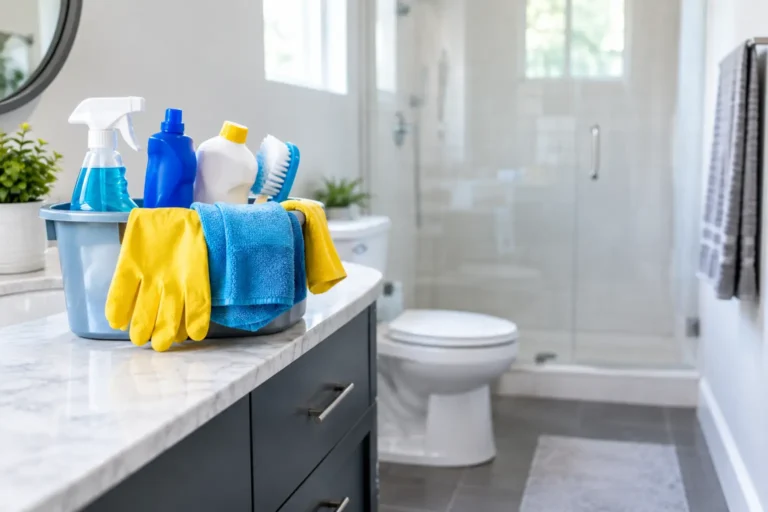
A clean space usually does not fall apart all at once. It slips little by little – dust on the baseboards, fingerprints on doors, kitchen buildup that gets harder to remove, bathrooms that never quite feel reset. That is why a guide to recurring cleaning plans matters. The right plan keeps your home or workplace consistently clean without turning every week into a catch-up project.
For many people in Reno, Sparks, and nearby Northern Nevada communities, recurring service is less about luxury and more about control. Busy workweeks, family schedules, pets, guests, and seasonal dust all add up fast. A recurring plan gives you a reliable standard, predictable visits, and less time spent deciding when cleaning will finally get done.
What a recurring cleaning plan actually includes
A recurring cleaning plan is a scheduled service designed to maintain cleanliness over time. Instead of waiting until a home or office feels overdue, the work happens on a regular cycle. That cycle might be weekly, every two weeks, or monthly, depending on how the space is used and how quickly dirt, dust, and clutter build up.
In most cases, recurring cleaning focuses on the rooms and surfaces that affect daily comfort the most. Kitchens, bathrooms, floors, counters, visible dust, and high-touch areas are usually part of the core service. Bedrooms, living areas, entryways, and common spaces are also typically included. For offices, the priority may shift toward restrooms, breakrooms, work surfaces, floors, and shared areas where presentation and hygiene matter every day.
The main difference between recurring service and a one-time deep clean is intensity. Recurring service is built to maintain a strong baseline. If a space has been neglected for a while, has heavy buildup, or is coming out of a remodel or move, it often makes sense to start with a more detailed first visit before shifting into a maintenance schedule.
A guide to recurring cleaning plans by schedule
The best schedule depends on how you live or work in the space. There is no single right answer, and that is where some people overcomplicate the decision. A practical guide to recurring cleaning plans starts with traffic, not guesswork.
Weekly cleaning
Weekly service is often the best fit for busy households, larger families, homes with pets, and businesses with steady foot traffic. It helps control dust, bathroom grime, kitchen mess, and floor buildup before those issues become noticeable. If you want your home to feel consistently guest-ready or your workplace to stay polished throughout the week, weekly cleaning usually delivers the strongest results.
This schedule also works well for people who simply do not want cleaning tasks stacking up between visits. The home stays easier to manage, and light tidying in between is usually all that is needed.
Biweekly cleaning
Every-two-week service is one of the most common choices because it balances upkeep and budget well. It gives enough frequency to prevent most homes from slipping too far, especially for smaller households, working adults, and families who do some light maintenance on their own between visits.
If your goal is to reduce stress without paying for weekly service, biweekly often makes the most sense. It keeps kitchens and bathrooms under control and helps floors, dust, and common areas stay presentable without long gaps.
Monthly cleaning
Monthly service can work for lower-traffic homes, second homes, small offices, or households that stay fairly tidy on their own. It is a lighter-touch option, but it comes with a trade-off. More buildup can happen between visits, so each appointment may feel more like a reset than ongoing maintenance.
For some customers, that is completely fine. For others, monthly service can leave too much time for dust, soap scum, and everyday mess to build. It depends on your standards, your schedule, and how much cleaning you want to handle yourself.
How to choose the right scope
Frequency matters, but scope matters just as much. A plan that visits often but skips the areas that bother you most will not feel effective. The right recurring plan should match how the space is actually used.
At home, think first about pressure points. For some households, that means bathrooms and kitchen surfaces. For others, it means pet hair on floors, dust in living areas, or fingerprints and smudges around entry points. If children are in the home, touchpoints and floor care may move higher on the list. If someone works from home, office areas may need more attention than guest rooms.
In a business setting, the priorities are often more visible. Clean restrooms, tidy entry areas, sanitized shared spaces, and spotless floors affect how customers and staff experience the space. A recurring plan should support both cleanliness and professional appearance.
This is where a good cleaning company makes a difference. You should not have to force your needs into a rigid checklist. The best service feels structured but flexible, with a clear understanding of what has to be cleaned every time and what may need occasional extra attention.
When recurring cleaning saves more than time
Most people think of recurring cleaning as a time-saver first, and that is true. But the bigger value is often consistency. When service is scheduled, cleaning stops being another decision on your list. You are not constantly evaluating whether things are bad enough yet or trying to carve out half a Saturday for a full reset.
There is also a quality advantage to staying ahead of buildup. Soap scum, hard water spots, grease, dust, and floor grime are easier to manage when they are addressed regularly. That often means better-looking surfaces over time and less wear caused by neglect or harsh scrubbing later.
For workplaces, recurring cleaning supports more than appearance. It helps create a healthier environment, improves day-to-day presentation, and gives employees and customers a cleaner, more comfortable space. In homes, it can lower stress, especially for families balancing work, school, errands, and everything else that fills a week.
What to ask before starting service
Not all recurring cleaning plans are equal, even if they look similar on paper. Reliability matters. So does trust. Before choosing a provider, it helps to ask practical questions about consistency, scheduling, and accountability.
You want to know whether the company is bonded and insured, whether staff are experienced, and how service issues are handled if something is missed. It is also worth asking how they tailor recurring plans for different homes or businesses instead of treating every property the same way.
Cleaning methods matter too, especially if you have children, pets, employees, or customers in the space. Eco-friendly practices can be an important part of choosing a service, but so is simple effectiveness. The goal is dependable cleaning that is safe, thorough, and easy to trust.
If you are comparing options, pay attention to how clearly the company communicates. A strong recurring service relationship should feel straightforward from the beginning. Clear quotes, clear expectations, and dependable scheduling usually tell you a lot about what the ongoing experience will be like.
Signs it is time to switch to recurring service
A lot of people wait longer than they should. They assume they can keep up, even when cleaning keeps sliding to the bottom of the list. If bathrooms never feel fully clean, floors look worn down too quickly, dust keeps returning faster than expected, or you are always preparing for visitors in a rush, recurring service may already be the better option.
The same goes for offices that are trying to manage cleaning informally. When employees are wiping down shared spaces themselves or appearance starts to vary from week to week, it usually means the system is not working. A recurring plan adds consistency and helps everyone focus on what they are actually there to do.
For customers who want a spotless clean every time without the hassle of chasing it themselves, recurring service is often the most practical answer. That is especially true when the provider is local, dependable, and built around long-term trust, like Cleaning Bee.
The best cleaning plan is not the one with the most visits or the longest checklist. It is the one that fits your space, your routine, and your standards well enough that clean stops feeling uncertain and starts feeling automatic. If your home or business runs better when the environment is handled for you, that is usually your answer.