A room can look clean and still make your nose run the second you sit down. That is the frustrating part of cleaning for allergy sufferers – the real problem is often the fine dust, pet dander, pollen, and moisture you cannot easily see. If your home triggers sneezing, itchy eyes, congestion, or coughing, a better cleaning routine can make a noticeable difference.
For most households, the goal is not a perfect, sterile space. It is a home that feels easier to breathe in day after day. That takes a practical approach, not random deep cleans whenever symptoms get bad. The best results usually come from cleaning the right surfaces, using the right tools, and avoiding habits that stir allergens back into the air.
Why allergy symptoms often get worse after cleaning
A lot of people assume more scrubbing always means fewer allergens. Sometimes the opposite happens. Dry dusting, sweeping with a stiff broom, or shaking out bedding indoors can send particles airborne and keep them floating long after the chore is finished.
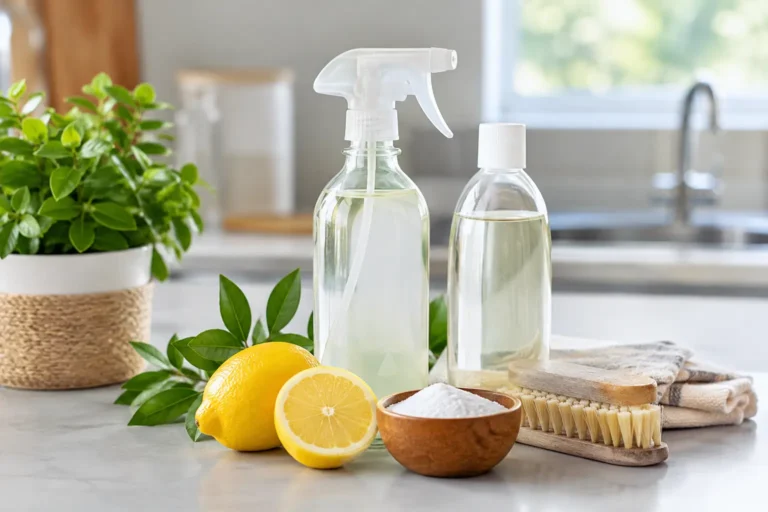
Cleaning products can add another layer of irritation. Strong fragrances, harsh sprays, and heavily scented air fresheners may not cause allergies in the medical sense, but they can still bother sensitive noses, throats, and lungs. For households dealing with seasonal allergies, asthma, or ongoing dust sensitivity, gentler methods usually work better.
That is why cleaning for allergy sufferers should focus on capture, removal, and prevention. You want to trap allergens, remove them from the home, and reduce the conditions that let them build up again.
The areas that deserve the most attention
Bedrooms usually matter most because that is where people spend hours at a time. Bedding, pillows, upholstered headboards, rugs, curtains, and under-bed dust can all contribute to overnight symptoms. If someone wakes up congested every morning, the bedroom is a smart place to start.
Living rooms come next, especially in homes with pets. Soft furniture holds dander, dust, and pollen tracked in from outside. Throw blankets and decorative pillows can collect more than people realize, especially when they are washed infrequently.
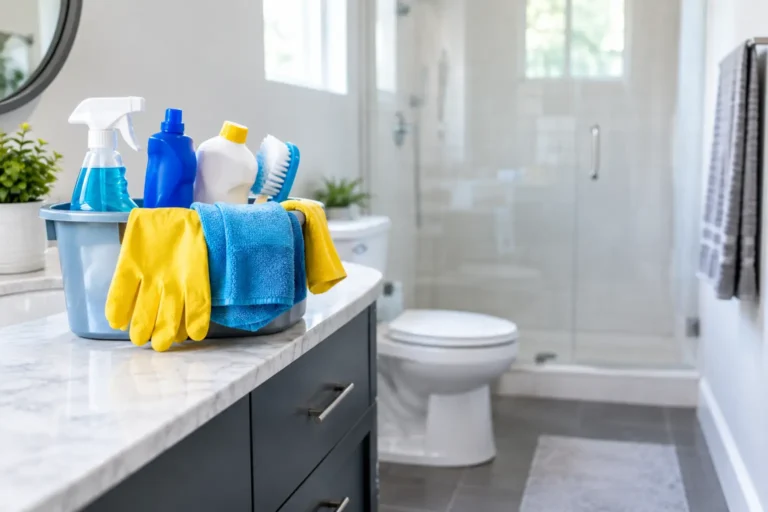
Bathrooms and kitchens are different but just as important. They are less about dust and more about moisture. Mold can grow around tubs, sinks, grout, window edges, and under cabinets when humidity stays high. Even a small amount can create a musty smell and make the space feel uncomfortable.
Entryways also deserve more credit. Shoes, bags, jackets, and pet paws bring in pollen, dirt, and outdoor debris. If allergens are constantly entering the home, it becomes harder for the rest of your cleaning routine to keep up.
The best cleaning methods for allergy control
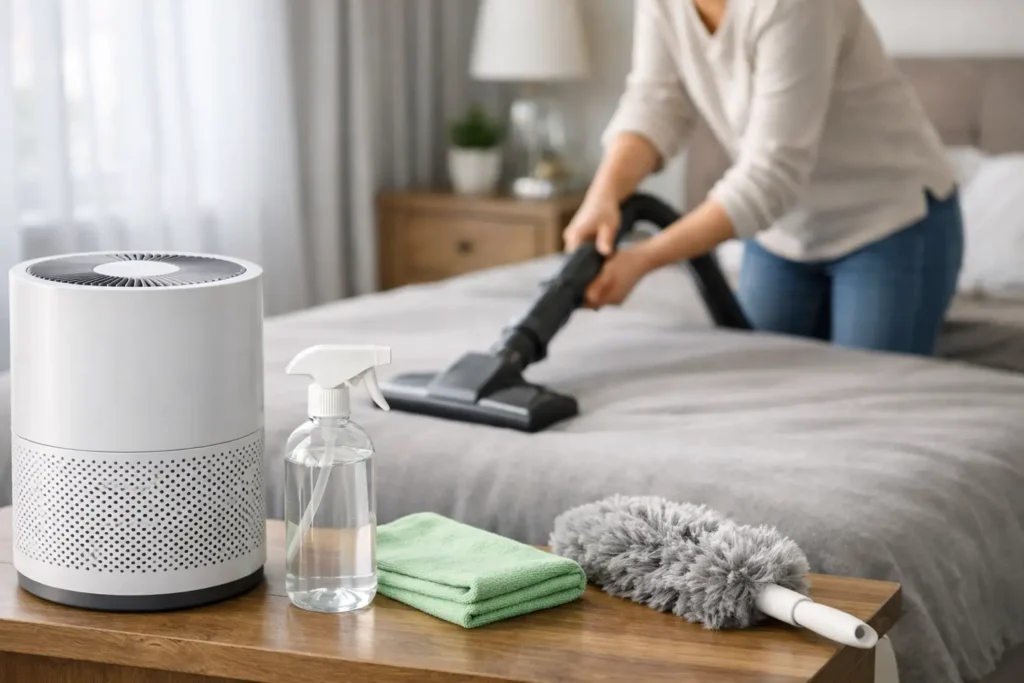
Vacuuming helps, but only when the machine is doing more than moving dust around. A vacuum with strong filtration is far more effective for allergy control than an older machine that leaks fine particles back into the room. Carpets, rugs, upholstered furniture, and mattress surfaces all benefit from regular vacuuming, especially in high-use spaces.
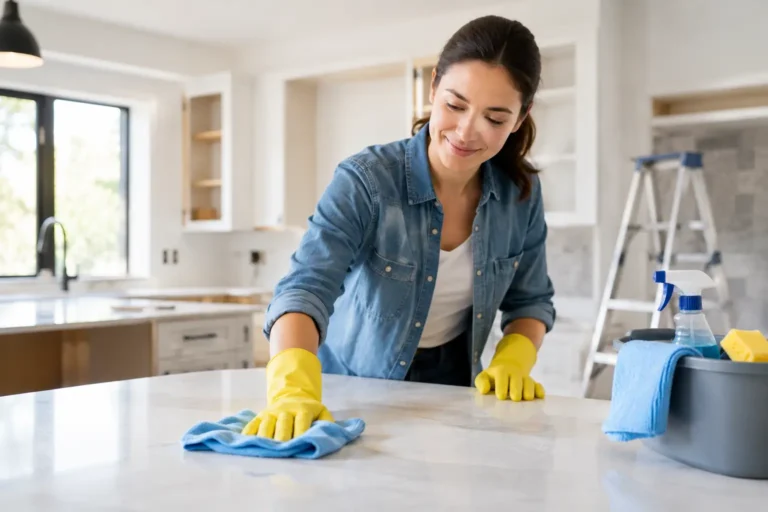
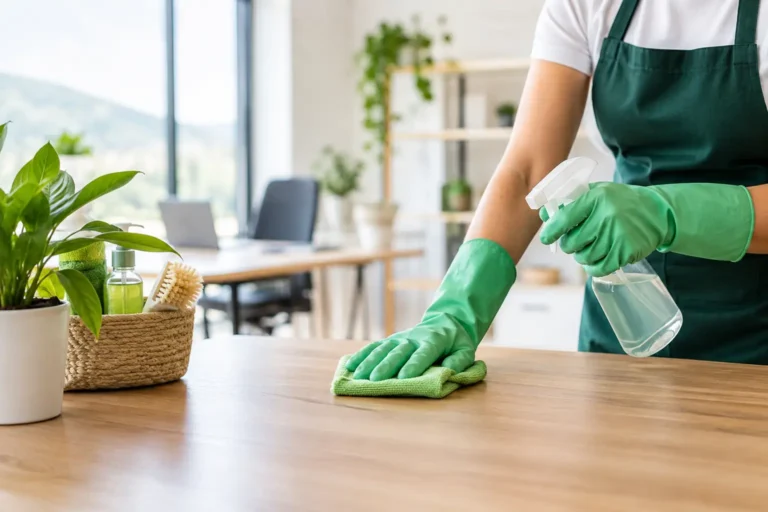
Mopping and damp dusting are usually better than dry methods. A microfiber cloth used slightly damp can pick up fine dust from furniture, baseboards, shelves, blinds, and electronics without sending it into the air. The same logic applies to hard floors. A mop that captures dust and grime is more helpful than sweeping alone.
Laundry matters more than many homeowners expect. Sheets, pillowcases, blankets, and pet bedding should be washed often enough that allergens do not get a chance to settle in. If one family member struggles with symptoms more than others, washing their bedding more frequently can be a simple way to reduce irritation.
Consistency is what makes these methods work. Waiting until you can see buildup usually means allergens have been collecting for a while. A lighter but steady routine tends to support better air quality than occasional marathon cleaning sessions.
Cleaning habits that can make symptoms worse
Some of the most common mistakes come from trying to clean fast. Feather dusters, dry rags, and vigorous sweeping often scatter more than they remove. The room may look tidier at first, but sensitive people often feel the difference right away.
Overusing scented products can also backfire. Heavily perfumed cleaners may leave a fresh smell, but that does not always mean the space is more comfortable for someone with allergies. In many homes, low-residue, lightly scented, or fragrance-free options are the safer choice.
Clutter is another hidden issue. Stacks of paper, overflowing shelves, crowded countertops, and piles of laundry create more surfaces for dust to collect and make it harder to clean thoroughly. You do not need a minimalist home, but you do need enough open access to wipe, vacuum, and mop properly.
Ignoring soft surfaces is also a problem. Hard floors and counters usually get attention first, while curtains, fabric chairs, and area rugs go untouched for weeks. Those materials quietly hold on to allergens and can keep symptoms going even when the rest of the room looks clean.
Cleaning for allergy sufferers in homes with pets
Pets are family, and for many households they are not going anywhere. That means the cleaning plan has to be realistic. If pet dander is part of the allergy picture, the goal is control, not perfection.
Frequent vacuuming of furniture, rugs, and pet-favorite corners can help a lot. Washing pet bedding regularly matters too, since it collects hair, dander, and outdoor debris. In some homes, keeping pets out of bedrooms makes the biggest difference because it gives at least one area a lower-allergen baseline.
Hard flooring is usually easier to manage than wall-to-wall carpet, but many homes have a mix of both. In that case, it helps to focus on the fabric-heavy zones where hair and dander settle fastest. If the home still feels dusty soon after cleaning, the issue may be buildup in upholstery, under furniture, and along baseboards rather than the open floor itself.
When deep cleaning makes the biggest difference
Routine cleaning is the foundation, but some situations call for a more thorough reset. Move-ins, move-outs, post-renovation cleanup, and seasonal cleaning can all uncover a heavier layer of dust and residue than weekly upkeep can handle.
Post-construction dust is a major example. It settles into vents, trim, light fixtures, window tracks, and every overlooked edge of the room. For allergy sufferers, that fine dust can linger and keep circulating if it is not removed carefully. The same goes for homes that have been vacant, recently remodeled, or neglected during a busy stretch of life.
A true deep clean targets buildup in the places people skip when time is short – baseboards, blinds, ceiling fans, vents, cabinet fronts, door frames, and under furniture. Those details matter because allergens collect where airflow, fabric, and daily traffic meet.
Why recurring service can be the smarter option
For many busy households, the problem is not knowing what to do. It is keeping up with it. Work schedules, kids, pets, and everyday responsibilities make it easy for dust and dander to return before the next proper cleaning gets done.
That is where recurring service can be especially helpful. A dependable schedule keeps buildup from getting out of hand and gives allergy-sensitive homes a more stable level of cleanliness. Instead of waiting until symptoms spike, the home stays on a routine that supports better comfort week after week.
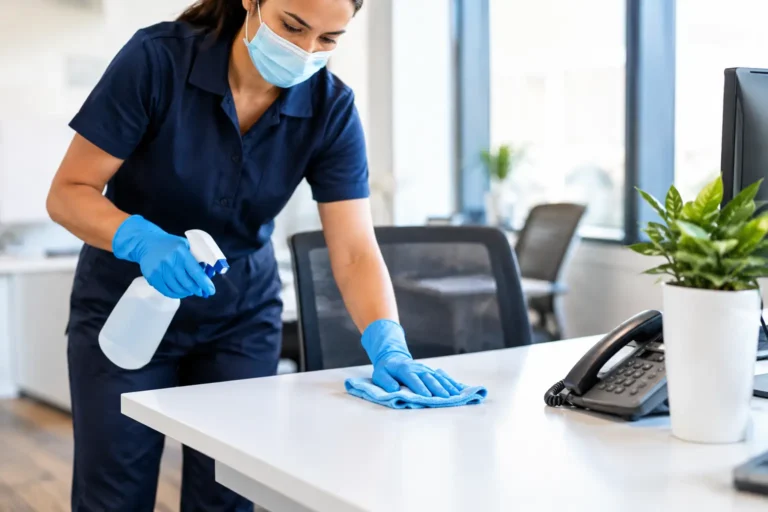
This matters for offices too. Employees and visitors notice when a workspace feels dusty or stale, even if they cannot always explain why. Regular professional cleaning can help reduce surface dust, improve presentation, and create a healthier-feeling environment without adding more to your team’s plate.
For homeowners and businesses across Reno, Sparks, and Northern Nevada, working with a trustworthy and secure cleaning team can remove a lot of the guesswork. Cleaning Bee focuses on dependable service, eco-friendly practices, and the kind of consistent care that helps spaces stay cleaner, healthier, and easier to manage.
A practical standard for a healthier home
If allergies are part of daily life, cleaning should do more than make the house look neat. It should help the space feel calmer, fresher, and easier to live in. That usually comes down to steady habits, better dust removal, moisture control, and a willingness to pay attention to the places allergens actually hide.
You do not need a complicated system to get there. You need a routine that works in real life and gets done consistently. When your home is cleaned with that purpose in mind, the difference is not just visible. It is something you can feel every time you walk in the door.